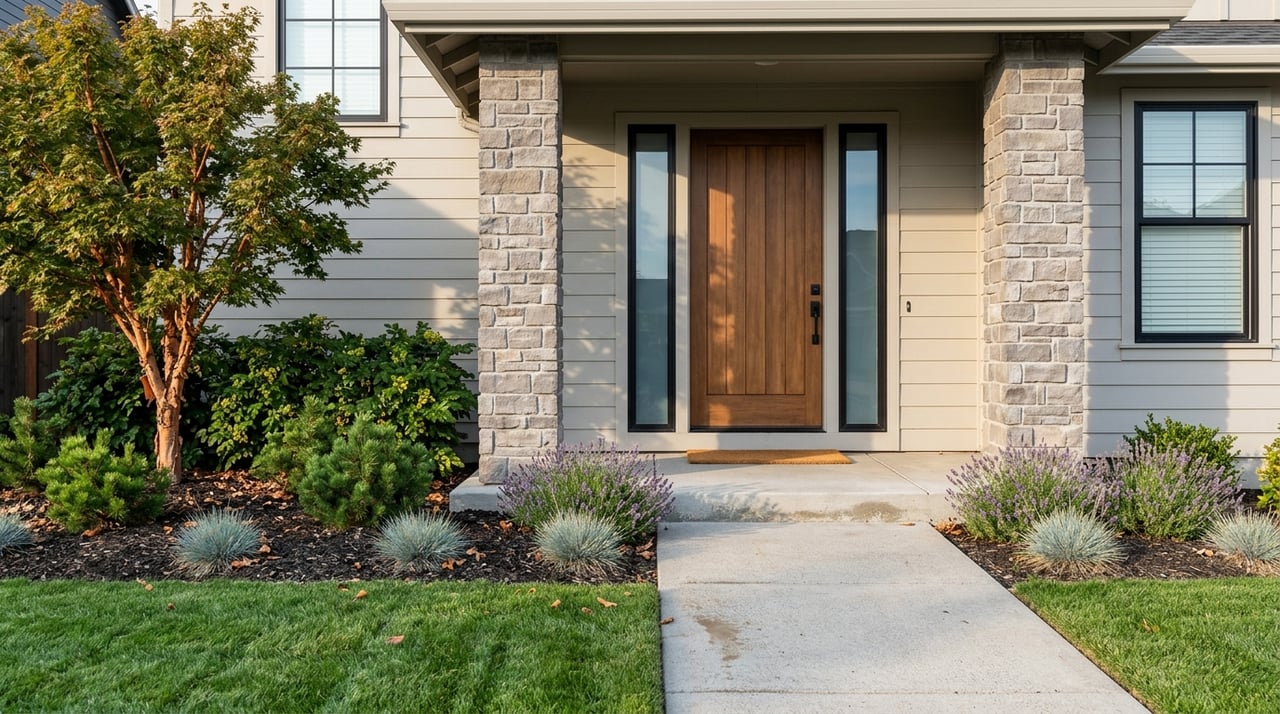
If you love Eagle but want more land, more privacy, or room for a different lifestyle, you are not alone. Moving from an in-town home to acreage can feel exciting and complicated at the same time, especially when you need to sell first and buy smart second. The good news is that with the right plan, you can protect your timing, reduce stress, and make confident decisions from start to finish. Let’s dive in.
Why timing matters in Eagle
Selling in Eagle starts with understanding the local market you are stepping out of. In May 2026, Ada County reported a median sales price of $575,900, 1,001 homes sold, 1,833 homes in inventory, 33 days on market, and 2.2 months of supply for detached single-family homes. Since a balanced market is typically 4 to 6 months of supply, the county remained below balance even as inventory improved.
That matters because well-prepared homes can still stand out. The same market report noted that Eagle saw substantial month-over-month sales growth and one of the lowest average days on market in 2026. Realtor.com also showed a median listing price around $999,000 in Eagle, which supports Eagle’s premium position within Ada County.
For you, that means the goal is not just to list your home. The goal is to list it in a way that helps you sell cleanly and move on to your acreage purchase with less overlap and fewer surprises.
Understand what acreage means near Eagle
Not every property with open space or a North Eagle address works the same way. Eagle’s comprehensive plan separates suburban land from rural land, and that distinction affects how a property may be used. Its Agricultural/Rural designation is intended for parcels 5 acres or larger and may allow agriculture, viticulture, equestrian uses, and estate or large-lot residential.
Eagle also uses an Estate Residential designation as a transition category, with densities from 1 unit per 2 acres to 1 unit per 5 acres. In unincorporated Ada County, rural residential development is typically much lower density, often ranging from 1 unit per 10 acres to 1 unit per 40 acres. That is a big difference, and it is why you should verify the exact parcel rather than assume every acreage listing near Eagle follows the same rules.
The practical question is simple: what do you want the land to do for you? If you want room for animals, a shop, an accessory structure, or just space and views, the future use plan and zoning details matter as much as the home itself.
Plan the move in the right order
When you are selling one home and buying another, sequence matters. For most seller-turned-buyers, the cleanest path is to prepare the Eagle home first, launch it with a strong marketing plan, and then time the acreage search so you can reduce financial overlap.
That order fits how many people naturally move. The CFPB notes that people who want to move often try to sell their current home before buying another one. In a market where mortgage rates still affect affordability, that approach can help you make decisions with clearer numbers.
As of July 2, 2026, Freddie Mac reported the average 30-year fixed-rate mortgage at 6.43%. If you are trading up from a lower-rate home into a larger land purchase, monthly payment changes can affect what feels comfortable. Selling well gives you a stronger foundation for the next step.
Prepare your Eagle home to sell well
Acreage buyers often focus so much on the next property that they rush the sale of the current one. That can create unnecessary pressure. Your Eagle home needs to show well enough to support both a strong price and a smoother timeline.
Fannie Mae recommends working with your agent on a detailed marketing plan, and it notes that staging can help showcase the home. Realtor.com also points to curb appeal as an important first impression. In practice, that means your home should look clean, cared for, and as close to move-in ready as possible before it hits the market.
For a premium Eagle property, presentation matters even more. Strong photography, thoughtful preparation, and strategic pricing can attract more serious buyers early, which may help you move into the acreage-search phase with more confidence.
Use pricing to support your next move
It is tempting to chase the highest possible number when you sell. But if your real goal is to move onto acreage with confidence, your pricing strategy should support your timeline, not fight it.
Because Ada County inventory is still below balanced levels, the market can reward homes that are prepared and priced well. At the same time, buyers remain payment-sensitive, so overpricing can slow activity and make your next move harder to time. A sharp price paired with strong presentation often gives you more control than an aspirational number that sits.
That is especially true when your next purchase may require contingencies, lender coordination, inspections, and service research. A cleaner sale can create more leverage than a listing that lingers.
Know your options if you must buy before selling
Sometimes the perfect acreage property appears before your Eagle home closes. When that happens, there are a few tools that may help bridge the gap, but each comes with tradeoffs.
A home-sale contingency can make sense if you need to sell your current home to finance the next one. Freddie Mac notes that this kind of contingency adds risk for the seller because the sale is not guaranteed, so it can make your offer less attractive in some situations.
A short rent-back or post-closing possession agreement can also help if you need extra time after selling your Eagle home. Realtor.com notes that rent-backs create a temporary landlord-tenant arrangement, so the terms should be clearly documented. In some transactions, a kick-out clause may allow the seller to keep marketing the property while giving the first buyer a short window to remove the contingency if another offer comes in.
These tools can work, but they work best when they are part of a clear strategy rather than a last-minute scramble.
Start acreage due diligence early
Acreage purchases involve more moving parts than a typical in-town home. Before you write an offer, it helps to confirm how the property functions day to day, not just how it looks during a showing.
Central District Health oversees septic systems in Ada, Boise, Elmore, and Valley counties, and it notes that mortgage surveys are often requested to locate wells or septic systems before a sale. The Idaho Department of Water Resources says all wells must be drilled by a licensed well driller, and it also notes that the well owner is responsible for water-quality testing and ongoing maintenance.
That means your due diligence list should expand quickly once acreage enters the picture. You are not only evaluating the home. You are also evaluating the systems and services that support the property.
Key acreage checks before an offer
- Confirm whether the property is inside Eagle city limits, within Eagle’s planning area, or in unincorporated Ada County
- Review zoning and future land use before assuming a parcel allows your intended use
- Verify well location, condition, and water-testing responsibilities
- Verify septic location and status
- Confirm road access and how the property is served
- Ask about utility type and availability
- Check fire-related requirements that may affect the property
- Confirm trash and other routine service options
- Research whether planned accessory uses may require approvals
Verify future use before you fall in love
This is one of the biggest differences between buying a suburban home and buying acreage. On acreage, what you plan to do with the property matters just as much as what is already there.
Ada County’s permitting division says some accessory uses require zoning-certificate approval in zones that include RR and RUT, among others. So if you expect to add a shop, an ADU, or another accessory use, you will want to verify the rules early.
Eagle also provides plans and maps, including a Rural Planning Area Map and a Zoning Map. Those tools help confirm whether a parcel fits your goals instead of leaving you to guess based on marketing photos or a mailing address.
Think beyond the house itself
A move to acreage often changes more than your lot size. It can also change how basic services work, especially if you move farther out from Eagle.
Eagle’s comprehensive plan states that rural uses are farther from goods and services. Ada County’s rural land-use planning language also emphasizes limited public services and the importance of public street access in rural settings. So when you compare properties, think through the day-to-day logistics as carefully as the home features.
If you are considering alternatives beyond Eagle, that difference can become even more noticeable. Kuna may offer another Ada County option, while a move to a place like Garden Valley can involve different service planning altogether. The best acreage purchase is one that fits both your lifestyle goals and your practical needs.
Build a closing timeline that works
Once you have a buyer for your Eagle home and a property under contract, timing matters again. One detail many people overlook is the lender timeline.
Lenders must provide the Closing Disclosure at least three business days before closing. That deadline should be built into your plans for title, signing, possession, and movers. It is a small detail, but it can have a big impact if you are coordinating two transactions at once.
On the purchase side, the CFPB says you should schedule the inspection as soon as possible after choosing a home so there is time to resolve issues. On acreage, that early start becomes even more important because there may be more systems and land-use questions to review.
The confident way to make this move
Selling your Eagle home and moving onto acreage is really a two-step transaction. First, sell your current home with smart pricing, strong presentation, and a clean plan. Then buy acreage only after the zoning, land use, water, septic, access, and service questions are clearly answered.
That approach helps you protect both your equity and your peace of mind. In a market where Eagle still holds premium appeal and acreage requires more homework, confidence comes from preparation, not guesswork.
If you are thinking about selling in Eagle and moving to acreage in Eagle, Kuna, Star, Garden Valley, or the surrounding Treasure Valley, Connie Boyce can help you build a smart, step-by-step plan with service beyond the sale.
FAQs
How is the Eagle housing market affecting a move to acreage?
- Eagle remains part of an Ada County market that was still below balanced inventory levels in May 2026, and Eagle also posted strong sales activity and low days on market, which can help well-prepared sellers move more efficiently.
What counts as acreage near Eagle, Idaho?
- Acreage near Eagle can fall under different land-use categories, including Eagle Agricultural/Rural areas intended for parcels 5 acres or larger, Estate Residential areas with lower-density housing, or unincorporated Ada County rural residential land with different density patterns.
Why should Eagle sellers verify zoning before buying acreage?
- Zoning and future land use can affect whether a property supports plans for animals, shops, accessory buildings, or other uses, so verifying the parcel details early can help you avoid buying land that does not fit your goals.
What should buyers check on an acreage property near Eagle?
- Buyers should confirm zoning, future land use, well and septic details, road access, utility type, fire-related considerations, trash service, and whether the property is inside city limits, within Eagle’s planning area, or in unincorporated Ada County.
Can I buy acreage before my Eagle home sells?
- It may be possible by using tools such as a home-sale contingency or a short rent-back, but those options can add complexity, so they should be planned carefully around your financing and contract timeline.
When should I schedule inspections on an acreage home purchase?
- You should schedule inspections as soon as possible after going under contract so you have time to review issues, especially since acreage properties may involve added questions about systems, land use, water, and access.