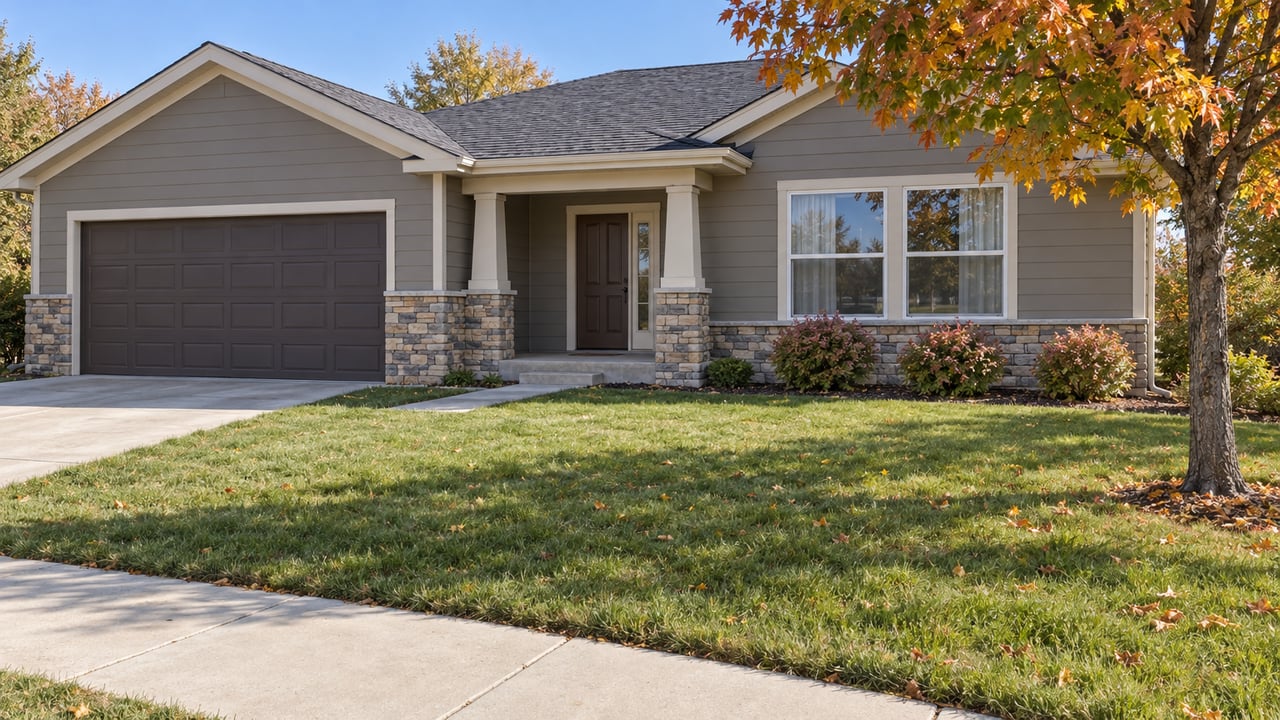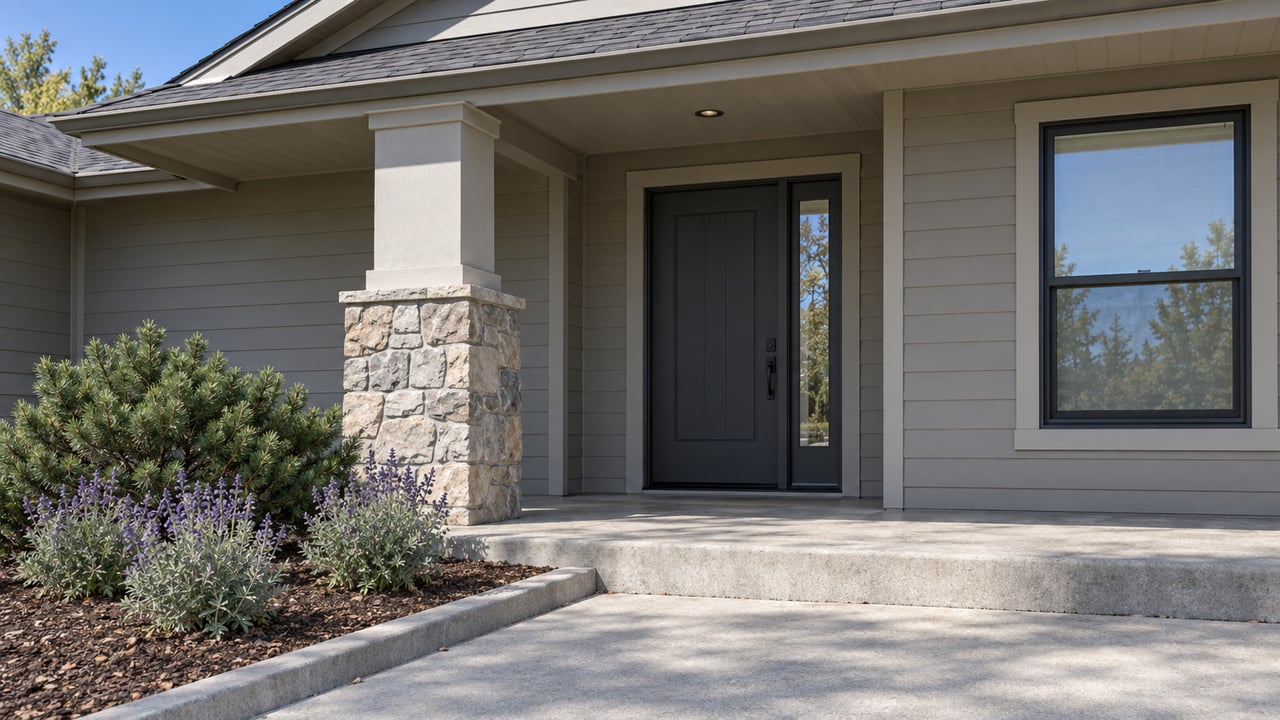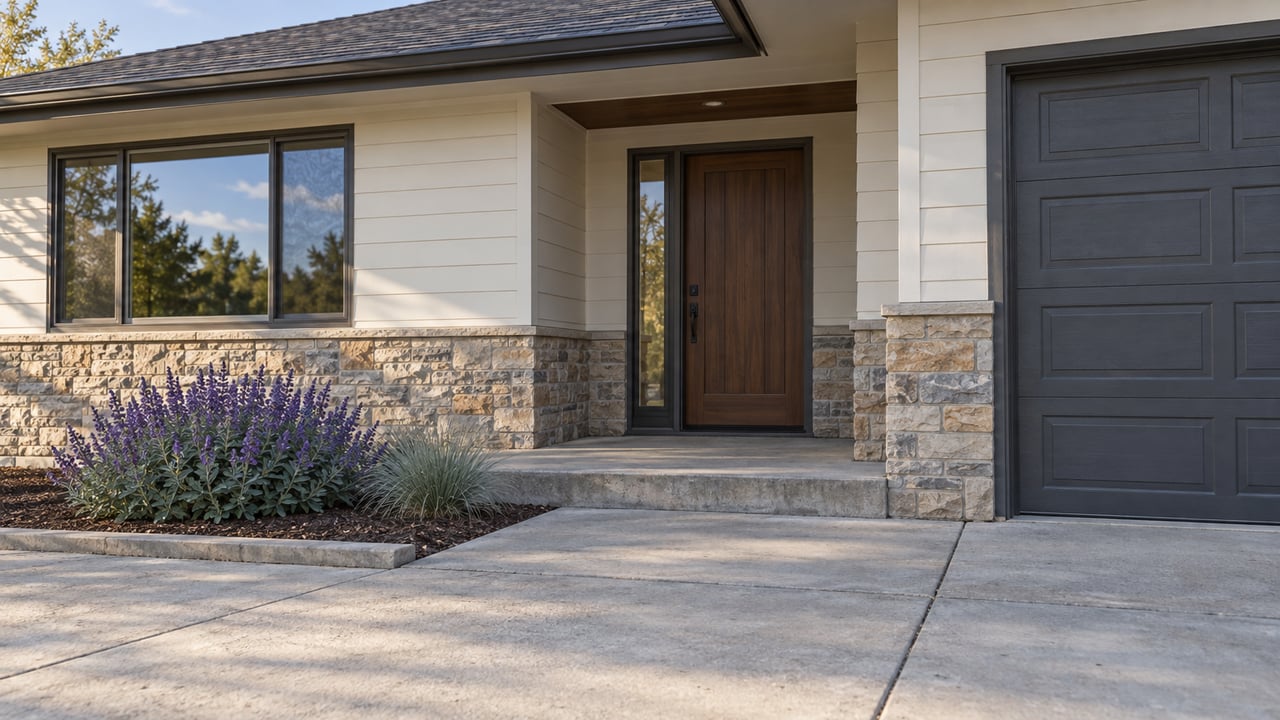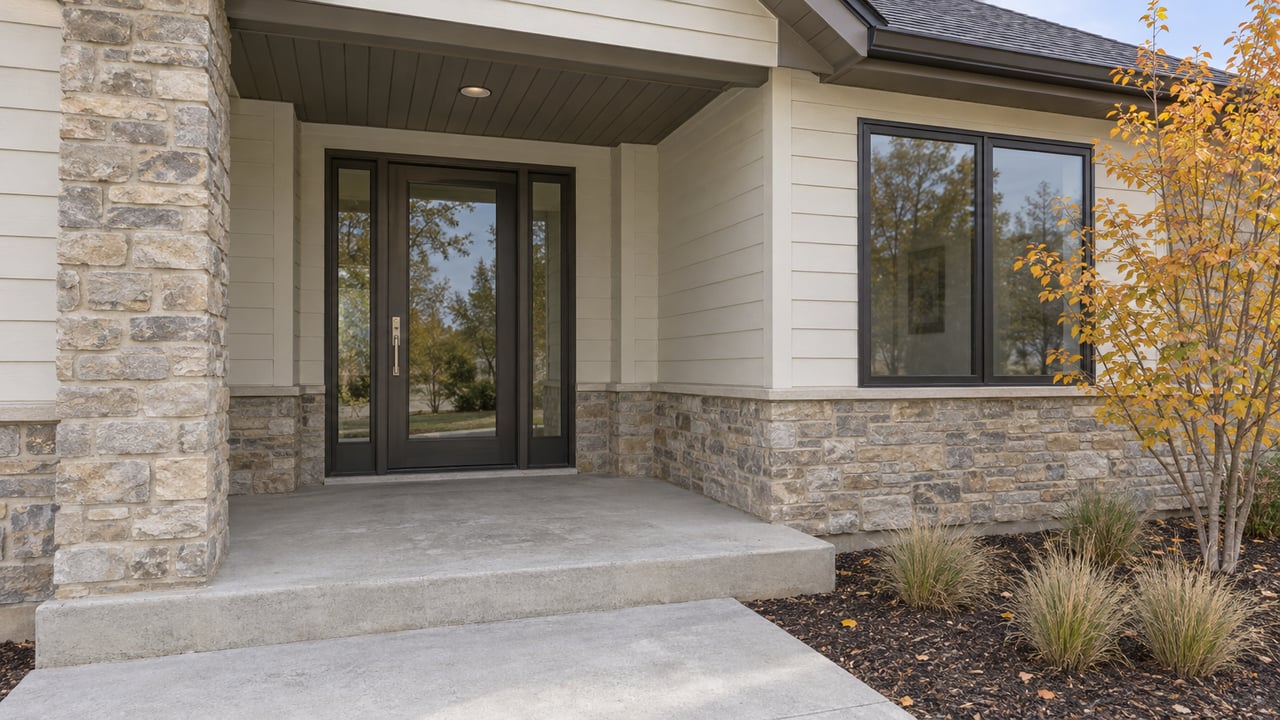
Before you buy a home in Valnova, Idaho law requires you to sign a page titled "CID TAX AND SPECIAL ASSESSMENT DISCLOSURE NOTICE." The statute requires it to state conspicuously that the property sits inside a community infrastructure district. That page belongs in the comparison alongside lot premiums, floor plans and the view toward the Eagle foothills.
The land past the back fence belongs there too. Valnova says it comes with "access to public lands on the perimeter." Much of that perimeter is federal Bureau of Land Management ground, and two separate proposals could change who owns it.
So a Valnova price covers a house, plus a share of infrastructure paid through your tax bill, plus a view of land whose future is still open. Comparing Valnova with resale homes elsewhere in Eagle or Meridian means pricing all three.
What the price sheet does show
Valnova covers about 6,000 acres of private land annexed into Eagle in 2007. It is approved for up to 7,100 homes and is planned as a buildout of 30 years or more. The developer, Clyde Capital Group, announced that its first household moved in on September 19, 2025. The first neighborhood park, in Kirkhills on Toryglen Way, opened in August 2026 with playgrounds, a covered pavilion and a bike-repair station.
Kirkhills is the newest neighborhood. Valnova lists its homes starting in the "high $500k +." Builders there include J. Edwards, Brighton/Pacific Lifestyle Homes, Highland, Brookstone, Solitude, Core Building Co., Biltmore, Tresidio and Berkeley. Glenview Phase 2 has its own roster: Bachman, Biltmore, Hallmark, Hammett, Highland and Solitude.
For comparison, the median sale price for single-family homes in Ada County in September 2026 was $575,000, with 2.4 months of supply and a median of 39 days on market, according to Boise Regional REALTORS. A Kirkhills starting price sits close to that county median, but a home outside a community infrastructure district at the same price doesn't carry the tax line described next.
The road you pay for through your tax bill
Valnova's FAQ says a community infrastructure district financed its major public infrastructure, and Ada County's levy certificate lists that district as Spring Valley CID #1. Idaho created CIDs so that new development pays for its own growth. The Idaho Statesman describes them as board-run entities that assess extra taxes in a defined zone to pay for infrastructure tied to that development.
The biggest current project is visible from State Highway 16. The Idaho Statesman reported in June that the Spring Valley CID is paying for a $12.5 million overpass at Valnova Drive. Under a partnership with the Idaho Transportation Department, the developers cover construction in exchange for removing the cost of future impact fees. Work began in early March, and completion is expected in December 2026. An ITD spokesperson explained the trade to the Statesman:
"The real thing Valnova is getting out of this is access to infrastructure now, versus ITD coming whenever we get funded to build an overpass, which could be years from now."
Homeowners carry the cost of getting that infrastructure early. On Ada County's 2025 levy certificate, "Spring Valley CID #1 — Bond" has a levy rate of 0.000166202. That works out to about $16.62 per $100,000 of taxable value, so a home with $500,000 of taxable value would owe about $83 a year on that line alone, on top of every other taxing district on the bill. Ada County's consolidated bill lists each district with its own levy rate and dollar amount, so the line shows up separately.
The bond levy isn't the only way a CID can collect. The 2012 Spring Valley development agreement allowed for general obligation bonds, assessment bonds and revenue bonds, each with its own cap. District materials from 2023 refer to special-assessment bonds from 2021, with first debt-service payments due in 2025. Special assessments are tied to specific parcels, which is why Valnova's own FAQ sends owners to Ada County's property lookup for parcel-level details. Two homes on the same street can carry different obligations.
State law tries to keep this from catching buyers off guard. Idaho Code § 50-3115 requires a notice recorded against parcels that will owe future bond repayment. The notice must state the obligation, how it is paid, the estimated maximum rate and the possibility of a higher rate. Reading it takes about as long as reading a floor plan.
A Boise case shows how much this can add up to over time. In February 2026, the Idaho Supreme Court ruled for the developer in a challenge to the Harris Ranch CID. Residents had argued the district was unfair because no homeowners lived there to vote when it was formed. The Idaho Statesman reported that homes in that district pay 40% more in taxes than similar homes built before it was created, and the city called the ruling a statewide precedent. Harris Ranch is not Valnova, and its numbers don't carry over. The ruling does mean that, for now, the structure itself is settled law in Idaho.
The hillside you don't own
Valnova's FAQ says the development agreement requires 20% open space and that the current land plan preserves more than 50%. Those numbers describe Valnova's private acreage. The rugged ground on the edges is a separate matter.
Eagle has roughly 2,200 acres of BLM land inside its city limits. The city formed a working group in 2021 to recommend how to manage it. Two proposals involve that land, and they move on different timelines.
| Proposal | Land involved | Where it stands |
|---|---|---|
| City ownership through a Recreation or Public Purposes application | 1,918 BLM acres north of Beacon Light Rd. where Hartley Ln. dead-ends, east of Highway 16, on both sides of part of N. Willow Creek Rd. | Council approved a partnership with Clyde Capital Group in late July 2026. The city would reimburse up to $40,000 of application costs. Not yet submitted as of late September. |
| Land exchange between Clyde Capital Group and BLM | Almost 2,400 BLM acres near Valnova go to Clyde. About 2,600 acres east of Highway 55, northeast of Avimor, go to BLM. | Eagle sent letters of support in 2024 and 2025. No public timeline. The city refers timing questions to Clyde Capital Group. |
The city's application has a long timeline. A city spokesperson told BoiseDev that preparing it could take about eight months, including public surveys, open houses, work sessions with user groups and several council presentations. BLM approval could then take another one to two years. A buyer closing this winter could own the home for two or three years before the 1,918 acres change hands, if they do.
The exchange is harder to read from a back patio. Eagle's development services director told BoiseDev that the land east of Highway 55 is "a much better property for recreation purposes." Clyde has not said publicly what it would do with the 2,400 acres near Valnova. A lot that looks out on federal land today could look out on developer-owned land later.
What the current rules allow on that land
Eagle's city code for that land was tested this year. The code bans firearm discharge inside city limits except on parcels larger than 20 acres and on BLM land. On July 22, 2026, the City Council declined to adopt Ordinance 942, which would have limited discharge to city-designated areas. Council also unanimously rejected a map that would have designated a shooting area on BLM land east of Valnova.
As BoiseDev reported, city staff said the proposal came up because developments including Valnova are moving closer to foothills shooting areas. Council members did not want to restrict shooting without offering somewhere else to go. That alternative was supposed to be the city's 80-acre shooting sports park on Willow Creek Rd., north of Beacon Light Rd. By 2024 the city said it lacked funding to finish the firearms portion, and that same year a construction company sued the city over payment for designing later phases of the park.
After the Ordinance 942 vote, the existing code remains in place. Two questions about the land next to Valnova are still open: who will own it, and whether a dedicated range ever opens.
Questions buyers raise about Valnova
Does every Valnova home pay the same CID amount? The bond levy is a rate applied to taxable value, so the dollar amount grows with the home's value. Special assessments are tied to individual parcels. Valnova points owners to Ada County's property lookup for parcel-specific information.
When does the Highway 16 overpass open? The Idaho Statesman reported that completion is expected in December 2026. Until it opens, that date is a forecast.
Can the public weigh in on the 1,918-acre transfer? Yes. The city has said the application process will include public surveys and open houses in the coming months.
What else is planned inside Valnova? The Idaho Statesman reported plans for two elementary schools, a middle school and a high school over the 30-year buildout.
This post is general information, not legal, tax or financial advice. Confirm how a CID or any tax obligation applies to a specific parcel with a qualified attorney, tax professional or lender.
If you're comparing a Valnova lot with a resale home elsewhere in Eagle or Meridian, Connie Boyce can help you line up the full costs, including the tax lines and the land past the fence, before you sign the disclosure page. If you already own in the foothills and want to know how your home compares, start with a free home valuation.