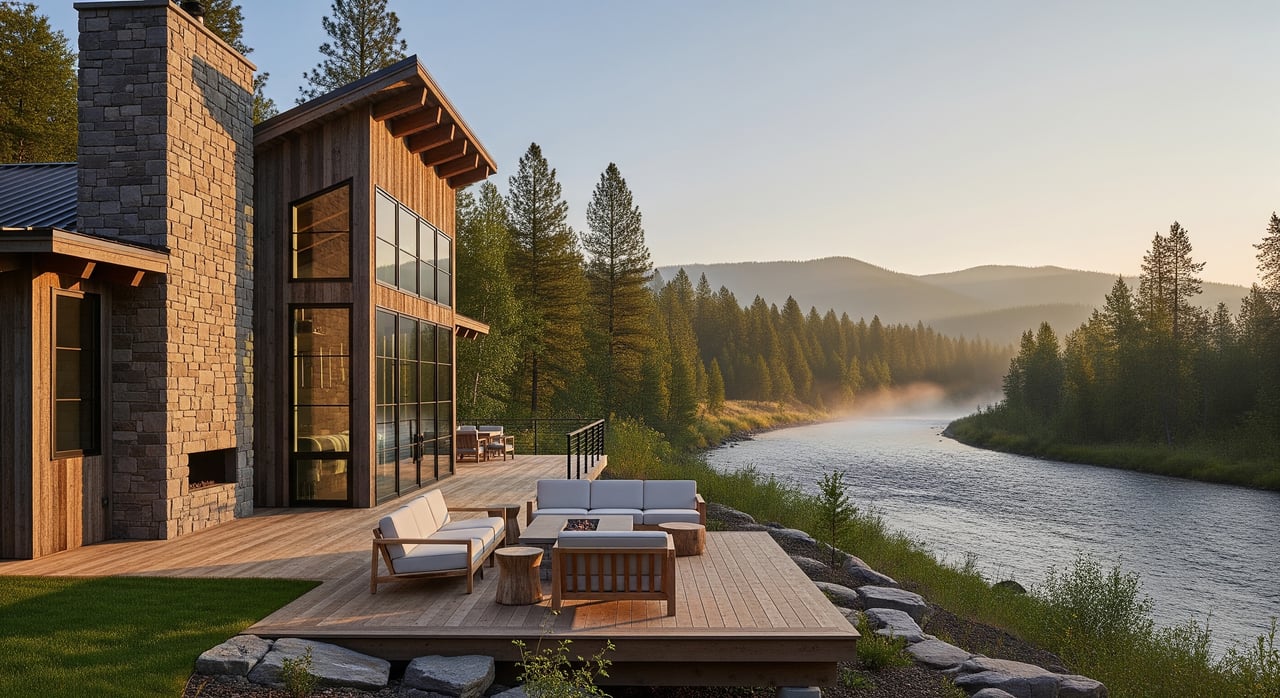
Craving a mountain escape that still feels close to Boise? If you are eyeing a cabin in Garden Valley, you are not alone. The area pairs river access, trails, and quiet forest views with a manageable drive for weekend getaways or longer stays. In this guide, you will learn what daily life really looks like across the seasons, how access and utilities work, the maintenance you should expect, and the key steps to take before you buy. Let’s dive in.
Garden Valley setting and access
Garden Valley sits in Boise County in the Payette River watershed, surrounded by national forest lands. You will see river corridors, conifer forests, and steep canyons instead of city streets and big-box stores. The draw here is the rural pace and outdoor access rather than a packed amenities list.
Travel to the Boise metro area usually takes about 1.5 to 2 hours under good conditions. Roads are mostly state and county routes, and many cabins are on paved roads. Some homes sit off narrower, steeper, or unpaved roads. In winter, you may need a snow-capable vehicle, chains, or four-wheel drive. Plows focus on main routes first, so side roads and private drives might not be cleared right away.
Four seasons, four rhythms
Spring
Spring runoff swells rivers and creeks. You will find early-season fishing, trail hikes, wildflowers, and migrating birds. Owners focus on cleanup after winter, checking wells and pumps, inspecting septic systems, and making sure culverts and driveways handled runoff.
Summer
Summer is peak river season on the South Fork Payette and nearby tributaries. Floating, rafting, kayaking, and swimming are common. Trails open for hiking and mountain biking, and many second-home owners spend extended time at their cabins. Local tourism and small events pick up, and some owners offer short-term stays where allowed.
Fall
Fall brings quieter trails, colorful hillsides, and regulated hunting seasons. Many seasonal owners start preparing for winter. You will want to service heating systems, winterize plumbing and irrigation, and clear leaves and debris.
Winter
Snow is part of life at mountain elevations. Popular activities include snowmobiling, cross-country skiing, and snowshoeing. Some roads and driveways can be tough to access after storms. Year-round owners often arrange snow removal, maintain propane or wood supplies, and plan for backup power. Local ski resorts are not in Garden Valley, but many people use the area as a base for backcountry outings.
Property types and utilities
Cabins range from rustic to upgraded log or timber-frame homes. Lots are often larger than suburban parcels and carry more vegetation, which means more upkeep and fire-safe landscaping.
- Water: Many cabins rely on private wells or springs. Well depth, yield, and water quality vary, so plan for professional testing and possible treatment.
- Septic: Septic systems are common and follow county and state rules. Soil, slope, and system capacity can affect future expansion or rental use.
- Heating and cooking: Propane, oil, electric, and wood stoves are all common. Wood heat requires chimney care and space to store fuel.
- Electricity and communications: Most properties have grid power, but some remote parcels have limited service or operate off-grid. Cell coverage can be spotty. Many owners use satellite internet or local fixed wireless.
- Road maintenance: County care usually ends at main roads. Owners often handle maintenance for subdivision roads and private driveways, including snow removal.
Maintenance rhythm and recurring costs
Mountain cabins follow a predictable maintenance cycle. The tasks below help you protect systems and prevent costly problems.
- Spring: Clear debris, check well and pump performance, inspect septic, repair driveways and culverts after runoff.
- Summer: Trim vegetation, service HVAC and appliances, inspect decks and roofs, schedule chimney cleaning if needed.
- Fall: Winterize plumbing and irrigation, service heating systems, secure outdoor furniture and equipment.
- Winter: Manage snow removal, de-ice walkways, keep a cold-weather checklist for backup heat and power.
Common ongoing costs include septic pumping on a schedule that matches usage, well pump servicing, propane refills, chimney cleaning, snow removal, insurance, and property taxes. Many owners also budget for annual wildfire mitigation, such as clearing brush and pruning around structures.
Safety, wildfire, and flood readiness
Garden Valley sits in a forested mountain landscape, which comes with seasonal wildfire risk. Insurers and lenders may ask for defensible-space measures around your home. You should plan annual tasks like clearing needles from roofs and gutters, trimming limbs, and removing ladder fuels.
If you are shopping near a river corridor, ask about floodplain status and any flood insurance needs. Smoke and fire restrictions are common in summer and fall, and local agencies coordinate response with volunteer fire districts.
Services and daily living
You will find small-town essentials like local schools, volunteer fire districts, and basic groceries, hardware, and fuel. For more specialized shopping or medical care, plan trips to larger towns or Boise. Emergency response times can be longer in remote spots, so it helps to keep a stocked first-aid kit and a personal plan for winter and summer conditions.
Regulations, permits, and rentals
Boise County enforces building codes and permits for new construction, additions, wells, and septic systems. Zoning and setbacks vary by parcel, and site conditions can affect what you can build.
Short-term rentals do exist in Garden Valley, but do not assume it is allowed for every cabin. County rules, state registration, HOA covenants, parking limits, and septic capacity can all apply. Verify before you count on rental income. Mountain properties may carry higher insurance premiums due to wildfire or flood considerations, and some policies require specific mitigation steps.
Is Garden Valley right for you
A Garden Valley cabin can be a peaceful retreat with quick access to rivers, trails, and wide-open mountain views. It also comes with real-world responsibilities. You will plan for winter access, seasonal maintenance, and long-distance services. If you value quiet, recreation, and a slower pace more than immediate amenities, this lifestyle can be a great fit.
Buyer checklist
Use this quick list as you tour properties or during your first year of ownership.
- Verify legal access and who maintains the access road and driveway.
- Confirm water source, well yield, and water quality testing.
- Inspect septic type, capacity, and permitting, and locate the tank and field.
- Check electrical service capacity and whether you need backup power.
- Test cell coverage on site and confirm internet options.
- Review zoning, permit history, and any recorded covenants or easements.
- Identify the wildfire protection district and any mitigation standards.
- Line up snow removal for roads and driveway before winter.
- Order a full home inspection that includes roof, foundation, chimney, heating, and plumbing winterization needs.
- Price insurance for wildfire, flood if applicable, and liability.
- If rentals are a goal, confirm local rules, parking, and septic capacity for higher occupancy.
Ready to explore cabins
If Garden Valley fits your lifestyle, you deserve a guide who knows both the Treasure Valley and its mountain markets. With concierge-level service and deep local knowledge, Connie Boyce helps you evaluate access, utilities, and regulations so you can buy with confidence. From Meridian, Boise, Eagle, and Star to Garden Valley, Connie coordinates the right inspectors, lenders, and contractors to make your move seamless. When you are ready, reach out to Connie Boyce for thoughtful, start-to-finish buyer representation.
FAQs
How far is Garden Valley from Boise for cabin owners
- Under good conditions, the drive is commonly about 1.5 to 2 hours, with longer times in winter or during roadwork or smoke.
What internet and cell options can I expect at a cabin
- Coverage varies by parcel. Many owners use satellite internet or local fixed wireless, and cell service can be spotty in some locations.
Do I need to winterize a seasonal Garden Valley cabin
- Yes, if you will be away in winter. Drain lines, shut off water, insulate exposed pipes, and secure propane systems to prevent damage.
What are common annual maintenance tasks for cabins
- Plan for septic pumping on a schedule, well servicing, chimney cleaning, roof and gutter clearing, wildfire defensible space, and driveway or culvert repairs after runoff.
How real is wildfire risk for Garden Valley properties
- Wildfire is a seasonal risk in this forested landscape. Insurers may require mitigation, and local burn restrictions are common in summer and fall.
Can I use my Garden Valley cabin as a short-term rental
- Possibly, but verify county rules, any HOA covenants, septic capacity, parking limits, and local demand before assuming rental income.