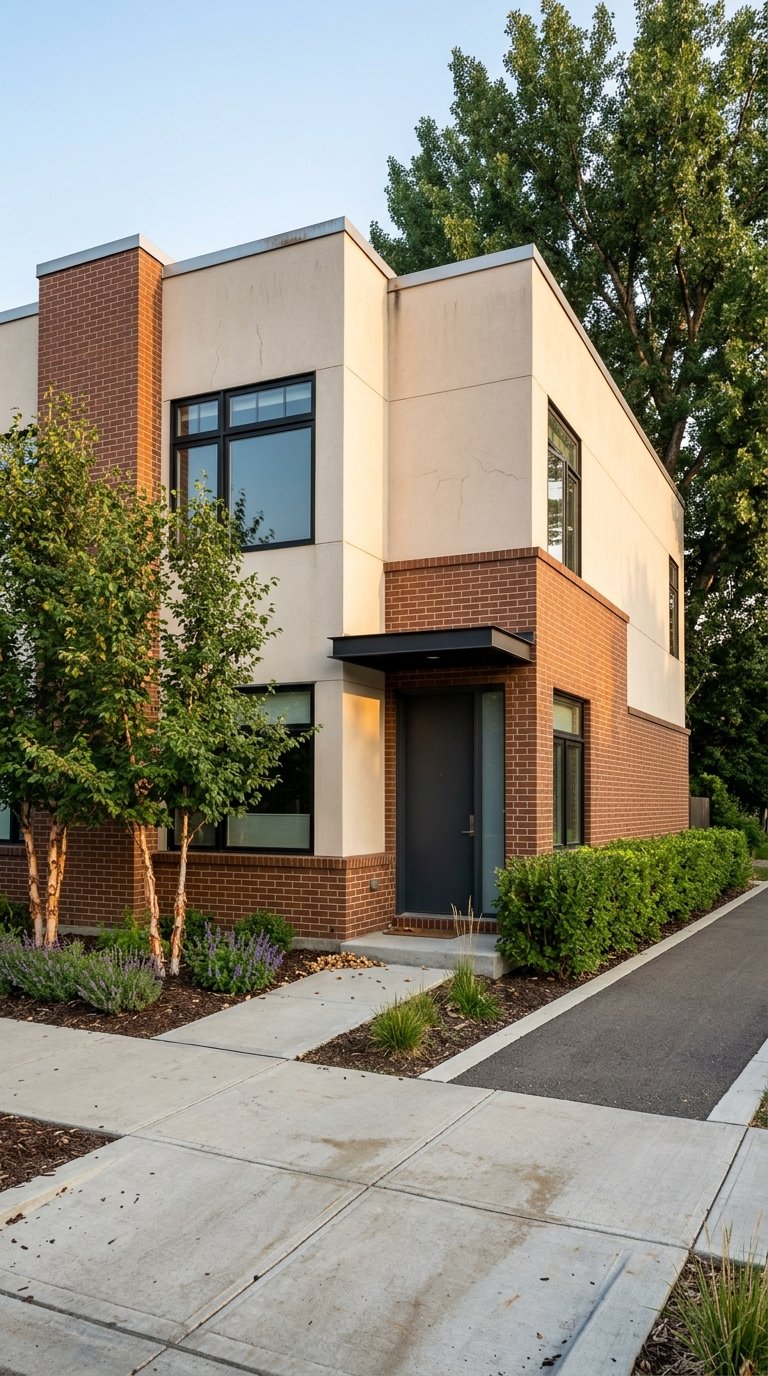
If you picture Boise life as morning bike rides, evening walks by the river, and easy access to some of the city’s best parks, living near the Boise Greenbelt probably already has your attention. It is a great lifestyle draw, but not every Greenbelt-adjacent neighborhood feels the same day to day. This guide will help you compare the areas near the Greenbelt, understand pricing and convenience, and decide which part of Boise best fits your routine. Let’s dive in.
What Living Near the Greenbelt Really Means
The Boise River Greenbelt is a nearly 25-mile pathway that follows the river and works as both a recreation corridor and an alternative transportation route, according to the City of Boise Greenbelt map. In practical terms, that means you are not just living near one trailhead. You are gaining access to a long linear park system that connects major destinations across Boise.
The Greenbelt links more than a dozen parks and recreation areas, including Julia Davis Park, Ann Morrison Memorial Park, Kathryn Albertson Park, Barber Park, the MK Nature Center, and the Boise Whitewater Park, as shown on the official Greenbelt map. For many buyers, that is the real appeal. You are buying into a daily lifestyle that can include walking, biking, park access, and seasonal activities like floating from Barber Park to Ann Morrison Park.
It is also helpful to know how the trail functions. The Greenbelt is open daily from sunrise to sunset, pedestrians have the right-of-way, and motorized vehicles are prohibited except maintenance vehicles and approved mobility devices, based on the city’s map and rules. Some non-paved sections are pedestrian-only, which matters if you expect to bike every segment.
Greenbelt Access vs Walkability
One of the biggest misconceptions is that living near the Greenbelt automatically means you can do most of your errands on foot. Usually, that is not the case. The Greenbelt supports biking, walking, and some commuting, but your daily convenience still depends heavily on which neighborhood you choose.
Downtown Boise comes closest to a car-light lifestyle. Farther east, areas like the East End and Harris Ranch offer strong outdoor access, but most errands still require driving. That is why it helps to think of the Greenbelt as a lifestyle amenity first, then compare each neighborhood for walkability, bike access, and housing style.
Downtown and River Street
Best for urban convenience
If you want the most walkable Greenbelt-adjacent lifestyle, Downtown, West Downtown, and River Street are the strongest fit. Boise’s Downtown plan highlights easy access to the Greenbelt, the Boise Foothills, and Fort Boise Park, with a strong focus on a people-oriented downtown environment.
The River Street and Old Boise planning area is intended to support housing, neighborhood retail, and mixed commercial uses, which helps explain why this part of the city feels more urban and connected. Current market data in the research report shows Downtown Boise City with a Walk Score of 81 and a Bike Score of 98. That makes it the best match if you want to combine river access with restaurants, shops, and a more active street scene.
Pricing here is relatively moderate compared with some other Greenbelt-adjacent neighborhoods. The current median sale price is $499,500, but homes took 146 days on market in February 2026, according to the research provided. That slower pace may reflect a more variable, condo-heavy inventory mix and can create more room for negotiation.
North End
Best for historic character
The North End offers a different kind of Greenbelt lifestyle. It is more residential than Downtown, but still close to the city core and well connected for biking. If you want older homes, tree-lined streets, and a classic close-in Boise feel, this is often the neighborhood that stands out.
Boise’s North End plan says the area is predominantly single-family, though duplexes, garden apartments, and other multifamily housing types are also part of the mix. The same plan notes that about 73% of properties are inside historic districts, which helps explain the area’s strong character and lasting appeal.
The tradeoff is price. Current data shows a median sale price of $717,744, with homes moving in 36 days on market, plus a Walk Score of 65 and Bike Score of 85. In simple terms, the North End gives you strong bike access and a close-in neighborhood feel near the Greenbelt, but you will usually pay a premium for it.
East End and Warm Springs
Best for older homes and views
The East End and Warm Springs area appeal to buyers who want a more historic and foothills-adjacent setting. This part of Boise is anchored by Warm Springs Avenue and has a distinct feel compared with Downtown or the North End. It is less about walkable errands and more about architecture, setting, and access to outdoor spaces.
According to the East End policy guide, about 70% of the area’s dwelling units were single-family homes, with the rest made up of duplexes, apartments, condos, and townhomes. The guide also describes Warm Springs Avenue as a corridor of stately turn-of-the-century homes and notes that access to some river-adjacent areas is limited.
Warm Springs Mesa adds another layer to the lifestyle. The research report notes it is about five miles east of Downtown and is the only neighborhood where the Ridge to Rivers trail system meets the Boise River Greenbelt. For buyers who want trail access and a bike-oriented lifestyle, that can be a meaningful advantage.
Still, this is not an especially walkable area for daily errands. Current figures show the East End with a Walk Score of 33 and a Bike Score of 64, along with a median sale price of $743,811 and 22 days on market. If you are drawn to older homes, bench views, and a quieter setting, the East End can be a strong fit, but you should expect to stay car-reliant for much of everyday life.
Harris Ranch and Barber Valley
Best for newer construction
If your priority is newer construction and a master-planned feel, Harris Ranch is one of the clearest Greenbelt-adjacent options in Boise. The Harris Ranch specific plan calls for pedestrian-oriented streets, greens, plazas, riverfront walks, mixed-use buildings, and transportation alternatives. The current neighborhood also includes single-family homes, townhomes, and apartments, based on the research provided.
This part of the Greenbelt story is less about urban convenience and more about outdoor access. You may be close to trails and open space, but that does not mean you can replace driving with walking. Redfin data in the research report rates Harris Ranch as car-dependent, with a Walk Score of 18 and a Bike Score of 40.
That lifestyle tradeoff matters. The median sale price is currently $799,000, and homes averaged 40 days on market. For many buyers, Harris Ranch works best when the goal is newer homes, planned amenities, and easy access to recreation, not a downtown-style routine.
How Commute Patterns Really Work
The Greenbelt is part of Boise’s active transportation identity, but it does not erase the city’s broader car dependence. The city describes the Greenbelt as an alternative transportation route for commuters, and Downtown planning documents emphasize easy access to it. Even so, neighborhood-level scores show a wide gap between living near the Greenbelt and living with true daily walkability.
The farther east you move, the more that pattern shows up in commute data. In the city’s 2019 planning data for Barber Valley, the Warm Springs and Parkcenter area had 80.6% drive-alone commute trips, with 2.8% by bicycle and 1.4% by walking, according to the City of Boise activity center data. Warm Springs and Eckert was even more auto-oriented.
That does not make eastern Greenbelt neighborhoods less appealing. It simply means you should match the neighborhood to your real routine. If your ideal day includes trail access and outdoor recreation, several areas can work well. If you want to walk to more of your daily needs, Downtown remains the best fit.
What Homes Cost Near the Greenbelt
Greenbelt-adjacent living generally comes at a premium, especially in Boise’s most established river-close neighborhoods. For citywide context, Zillow says the average Boise home value was $494,696 and the median sale price was $489,668 as of late February 2026, with 560 homes for sale and 179 new listings citywide, based on Boise housing data from Zillow. The same research also shows Ada County’s median sale price at $520,000.
Near the Greenbelt, neighborhood medians run higher in the areas many buyers target first. Downtown Boise City is about $500,000, North End is $717,744, East End is $743,811, and Harris Ranch is $799,000, according to the research report. That means the decision is usually not about finding a bargain near the river. It is about deciding which premium matters most to you.
Here is a simple way to compare the tradeoffs:
| Neighborhood | Best Fit | Median Sale Price | Walkability Snapshot |
|---|---|---|---|
| Downtown / River Street | Urban, walkable routine | $499,500 | Very walkable |
| North End | Historic character, close-in biking | $717,744 | Somewhat walkable |
| East End / Warm Springs | Older homes, views, bike access | $743,811 | Car-dependent |
| Harris Ranch | Newer homes, planned amenities, trails | $799,000 | Car-dependent |
What Buyers Should Expect Right Now
Inventory and pace vary by neighborhood, which is important if you are relocating and trying to time a move. The research report shows Downtown had 10 sales in February and a 146-day median market time, while North End had 36 sales and 36 days on market. East End had 12 sales and 22 days on market, and Harris Ranch had 17 sales and 40 days on market.
That tells you the market near the Greenbelt is segmented. Historic neighborhoods like the North End and East End may move faster, while Downtown can be more variable. Boise-wide, Zillow reports that 55.4% of sales closed under list price and the median sale-to-list ratio was 0.991, which suggests buyers should not assume every Greenbelt-area home will trigger intense competition.
In other words, a smart strategy matters more than a rushed one. If you know which neighborhood fits your routine, budget, and housing style, you can often approach the search with more clarity and better negotiating leverage.
Which Greenbelt Area Fits You Best
If you are still narrowing it down, this quick framework can help:
- Choose Downtown or River Street if you want the strongest mix of Greenbelt access, walkability, and urban convenience.
- Choose the North End if you want historic character, close-in living, and strong bike access.
- Choose the East End or Warm Springs if you want older homes, foothills and bench character, and a bike-oriented lifestyle with less walkability.
- Choose Harris Ranch if you want newer construction, a master-planned setting, and easy access to trails and open space.
Finding the right Boise Greenbelt neighborhood is really about matching the river lifestyle to the way you actually live each day. If you want local guidance on comparing neighborhoods, timing a move, or finding the right fit in Boise or the broader Treasure Valley, Connie Boyce is here to help with concierge-level service beyond the sale.
FAQs
What is the Boise Greenbelt in Boise, Idaho?
- The Boise Greenbelt is a nearly 25-mile pathway along the Boise River that the City of Boise describes as both a recreation corridor and an alternative transportation route.
Which Boise neighborhood is best for a walkable lifestyle near the Greenbelt?
- Downtown Boise and the River Street area are the strongest options if you want the most walkable, urban lifestyle near the Greenbelt.
Is the North End in Boise close to the Greenbelt?
- Yes, the North End offers close-in access to the Boise core and strong bike connectivity, making it a popular option for buyers who want neighborhood character near the Greenbelt.
Does living near the Boise Greenbelt mean you can live without a car?
- Usually not, because Greenbelt access is not the same as full daily walkability, and many east-side neighborhoods remain car-dependent for errands and commuting.
What are home prices like near the Boise Greenbelt?
- Based on the research report, median sale prices range from about $499,500 in Downtown Boise City to $799,000 in Harris Ranch, with North End and East End also above Boise’s citywide median.
Which Boise Greenbelt neighborhood is best for newer homes?
- Harris Ranch is the strongest fit if you want newer construction, a master-planned setting, and access to trails and outdoor amenities.