Are you hoping to command top dollar for your Eagle home? The right prep plan can lift your sale price and shorten your time on market, even when buyers have options. You want clear steps, smart investments, and a launch window that puts your property in front of the most motivated buyers. In this guide, you’ll learn how to time your sale, which updates pay off, how to stage and market to premium buyers, and the exact timeline to get it all done. Let’s dive in.
Know the Eagle market and timing
Ada County’s single-family market started 2026 with a median sales price of $535,990, a median 55 days on market, and about 2.1 months of inventory, according to the Boise Regional REALTORS January snapshot. Those figures point to a seller‑leaning market, but not an overheated one. You still need sharp presentation and pricing to stand out. See the latest county stats in the Boise Regional REALTORS report for context and trends you can track week to week. The January 2026 stat sheet is a helpful benchmark.
Eagle’s price levels sit higher than the county median. Consumer-facing indices and MLS-based summaries often show different medians because they pull from different data sets and time frames. New-build mix, waterfront exposure, and luxury features can swing the numbers. What matters for you is matching your home to the right micro-comp set: resale vs. new, lot size, views or water, custom finishes, and recent days on market for similar homes.
At the top end, Eagle’s luxury tier performs differently. Recent analysis of Treasure Valley’s upper segment shows Eagle’s top 10 percent trading in a roughly 1.5 to 2.85 million range, with shorter days on market for well-positioned waterfront and new construction. If your property offers lifestyle features like river proximity, large lots, or custom design, premium buyers will evaluate it in a more limited supply band than the citywide median.
For timing, Eagle follows a clear spring rhythm. Late March through May typically brings the strongest buyer activity. If you can choose your launch window, work backward 8 to 12 weeks so you go live during the spring uptick with every box checked. The Boise Regional REALTORS snapshot supports this seasonal plan.
Start with a pre-list inspection
A seller-ordered inspection is one of the smartest ways to protect your price and timeline. It gives you early clarity on roof, HVAC, electrical, plumbing, and foundation items so you can fix the big ones on your terms, disclose accurately, or price and credit strategically. Typical costs run about 300 to 600 dollars. The American Society of Home Inspectors outlines these advantages and how to use the report to reduce renegotiation risk. Review their guidance on pre-list inspections.
What to include for Eagle properties:
- Systems and safety. Confirm roof age and condition, service HVAC, check electrical panels and water heaters, and note any visible foundation concerns.
- Well and septic. If you are outside municipal services, schedule well-flow and water-quality testing and a septic inspection early so there are no lender or timeline surprises.
- Flood exposure. Homes along or near the Boise River can have mapped flood zones that affect insurance and buyer decisions. Check your parcel on FEMA maps and speak with your insurer about coverage options. Local reporting has documented shifts in flood-map coverage in recent years. This overview of Treasure Valley flood insurance changes offers context.
Idaho sellers must complete required disclosures and list known defects. A pre-list inspection does not replace disclosure, but it helps you disclose with confidence and support. Ask your agent which items to repair now versus disclose and credit.
Target high-ROI updates first
You do not need a full remodel to sell for a premium. Focus on the projects that deliver the best first impression and broadest appeal. National Cost vs. Value research highlights these winners.
Curb appeal and entry sequence
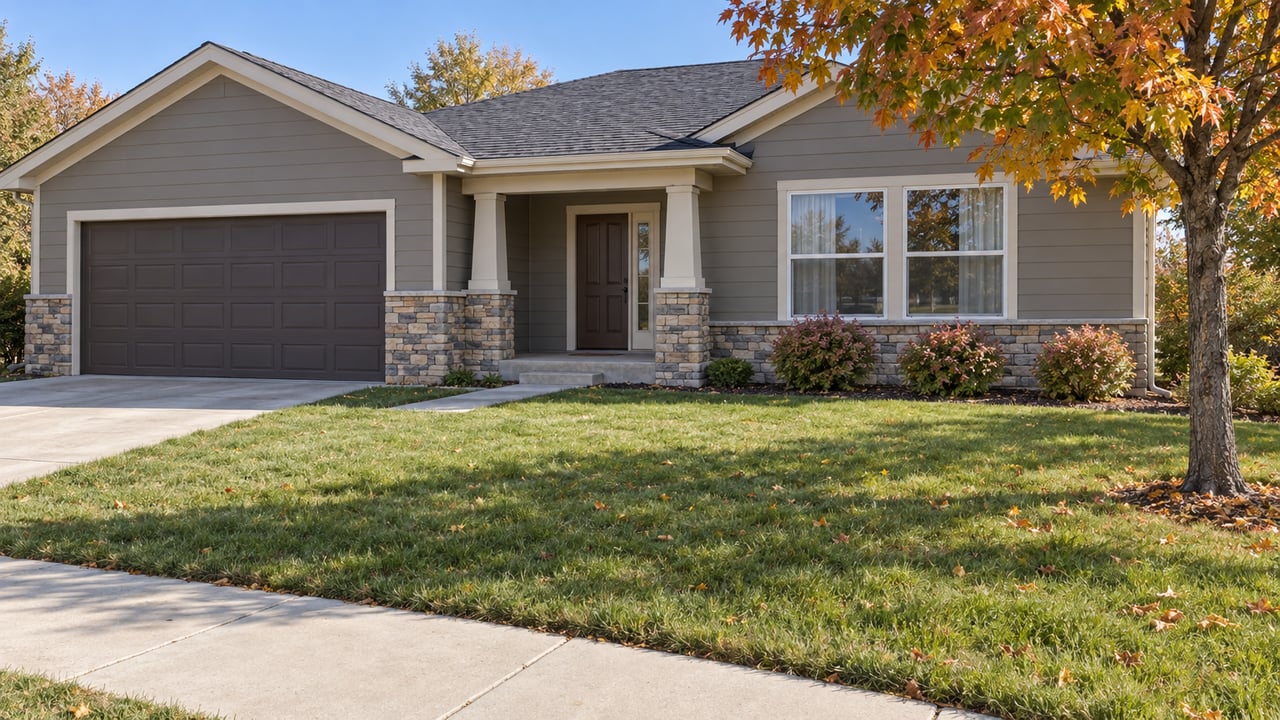
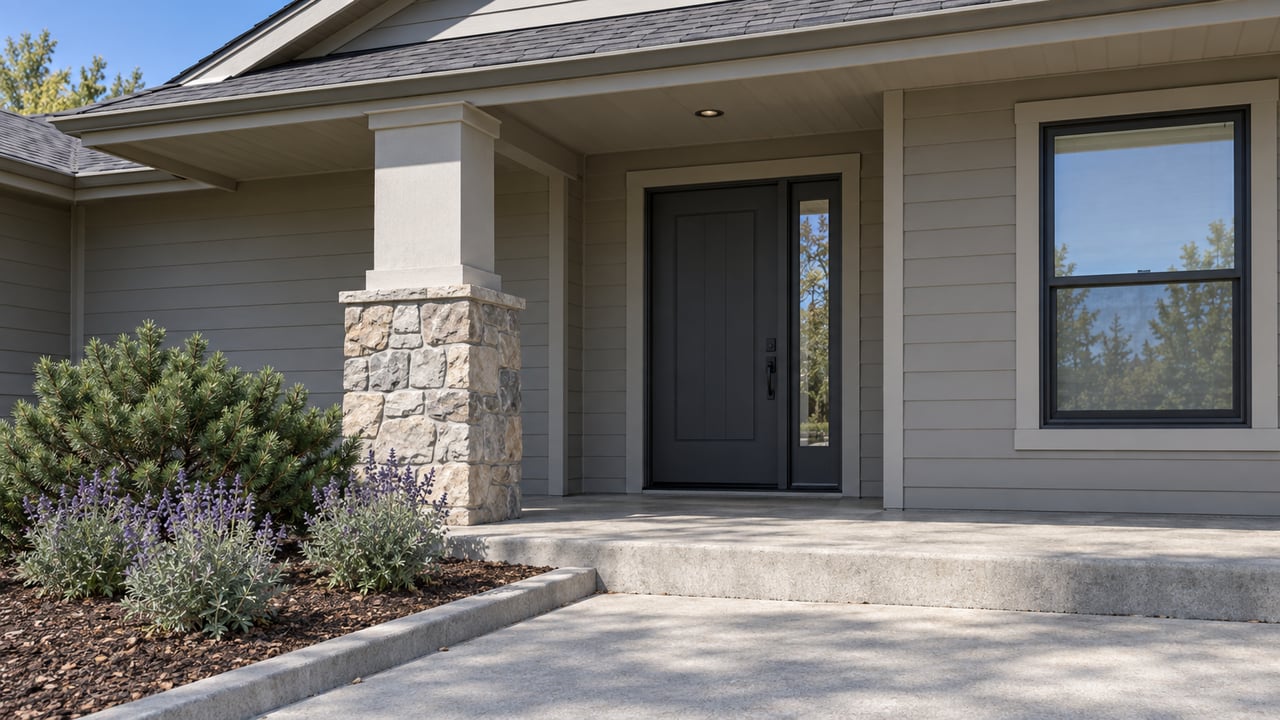
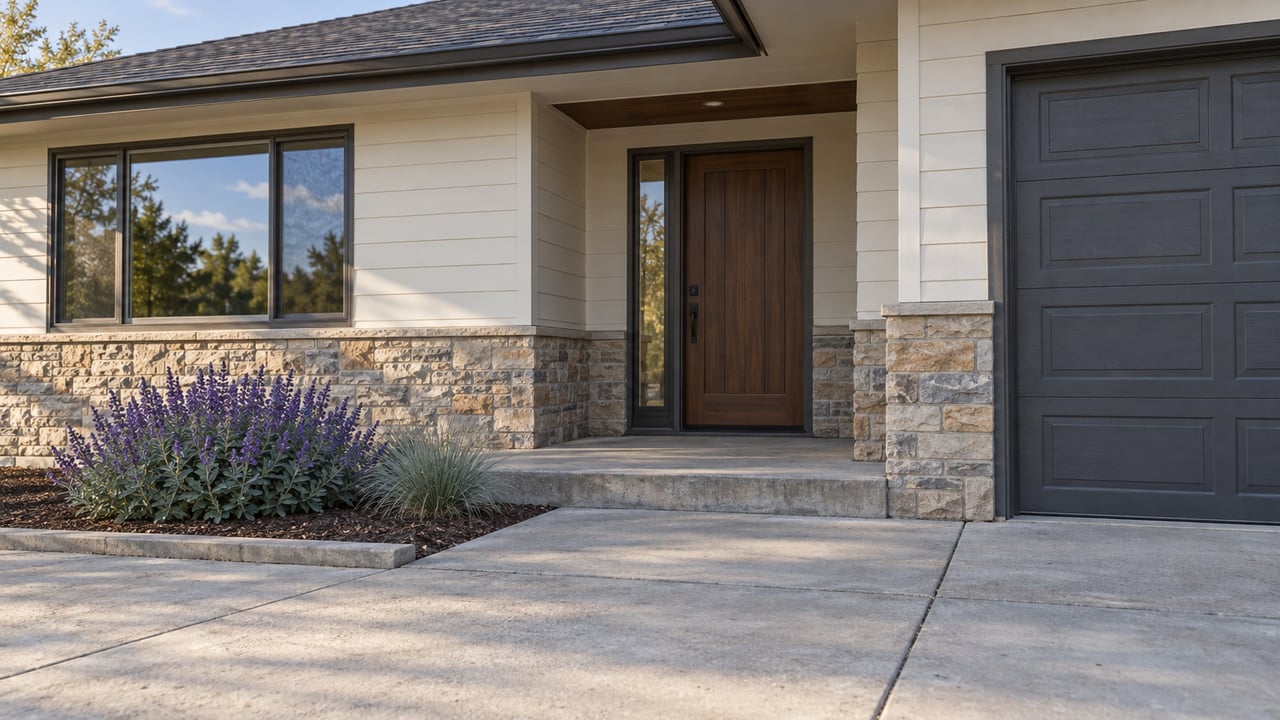
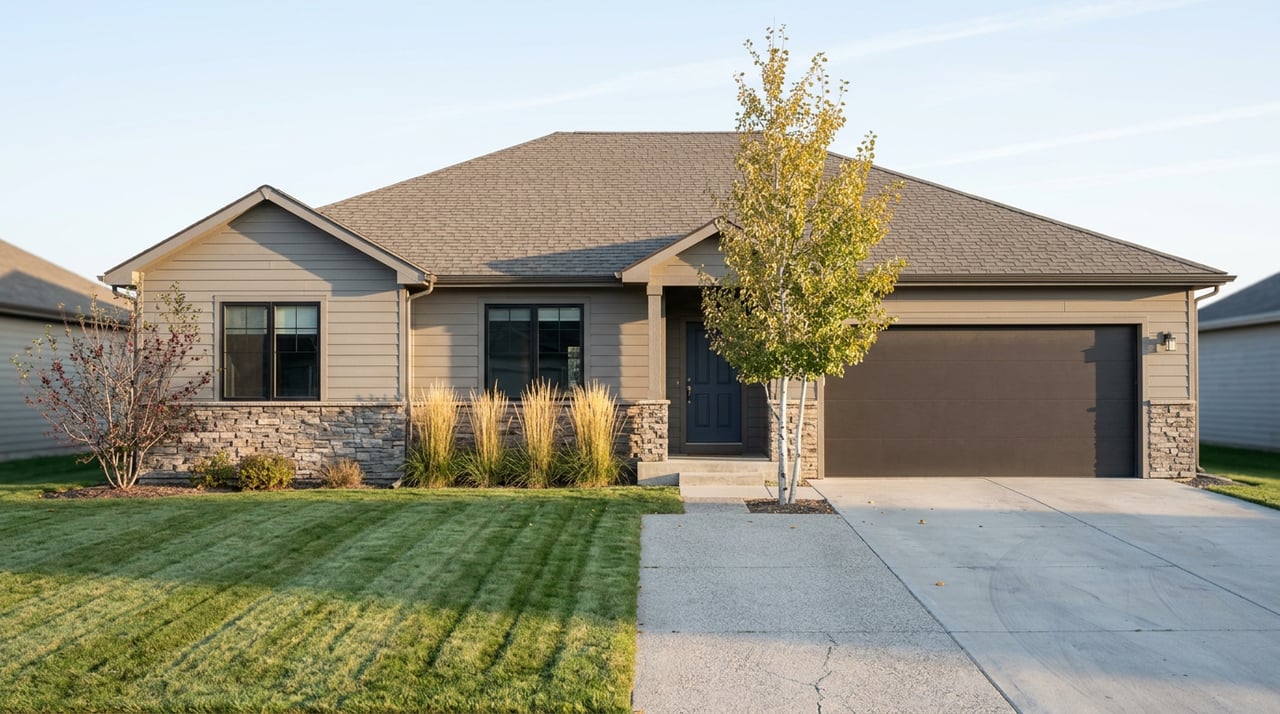
Your frontage sets the tone before a buyer steps inside. High-ROI exterior projects include a new garage door, updated steel or entry door, targeted stone veneer accents, fresh paint, and power washing. Simple landscaping wins too. Trim trees, refresh mulch, and define a clean path to the door. These projects often recoup a large share of cost while lifting perceived value. See the latest Cost vs. Value trends in Zonda’s report. Review the 2025 Cost vs. Value data.
Minor kitchen refresh
A midrange kitchen update typically outperforms a full gut for resale. Consider new countertops, cabinet painting or refacing, modern hardware, a fresh backsplash, and midrange appliances. Avoid major structural changes unless your closest comps demand it.
Cosmetic neutralizing and lighting
Neutral interior paint, repaired or refinished flooring, updated light fixtures, and consistent bulb temperatures make rooms feel larger and newer. Service mechanical systems and keep receipts. Premium buyers expect clean presentation and documentation.
Outdoor living that sells the lifestyle
Eagle buyers value yards, views, and river-adjacent living. Create usable outdoor rooms with clear seating zones, tidy lawn and irrigation, trimmed trees, and sightlines to water or foothill views. Small hardscape touches or a simple deck can help if they complete the lifestyle picture.
Avoid over-improvements
Ultra-custom builds, large additions, or niche amenities can outstrip neighborhood comps. In most cases, curb appeal, midrange interior refreshes, and cosmetics deliver better resale math than major expansions. Use Cost vs. Value data and local comps to choose scope. This Cost vs. Value summary can guide priorities.
Stage for premium buyers
Staging is proven to reduce days on market and can increase the dollar value buyers offer. The National Association of Realtors reports that many agents see a 1 to 10 percent lift in offers when homes are staged, with the living room, primary bedroom, and kitchen ranking as the highest-impact spaces. See NAR’s latest staging findings.
- Occupied homes. Declutter, remove most personal items, and stage the key rooms that anchor your photos: living, kitchen, primary suite, and one flexible space such as an office or gym.
- Vacant homes. Consider professional staging or selective high-quality virtual staging paired with in-person enhancements like lighting and art. In the upper tier, a full staging package is common and often justified by the price band.
- Lifestyle focus. Highlight moments that speak to Eagle living: easy indoor-outdoor flow, a sunset patio scene, a river-adjacent trailhead lifestyle, or a quiet office with a view.
Marketing that matches the price
Premium buyers expect polished, complete listing assets and a thoughtful launch.
- Professional visuals. Use a pro photographer for interior and exterior sets, a twilight exterior, and drone or aerials if your lot, views, or river proximity matter. Add a floor plan and an immersive 3D tour or video walkthrough to boost online engagement.
- Compelling story. Write copy that sells the lifestyle and the details buyers value: lot size, builder and materials, systems updates with dates, and outdoor living zones.
- Targeted reach. In addition to MLS exposure, extend your marketing to out-of-market relocation pools that show interest in Eagle. Coordinate private broker previews and high-quality open-house events timed to show off natural light and views.
Your 8–12 week prep timeline
Working backward from your ideal spring launch date keeps the process calm and efficient.
8–12 weeks out: plan and inspect
- Order a pre-list inspection to identify major items and safety issues. ASHI’s overview explains how to use the report.
- Gather records: permits, warranties, HOA documents, utility histories, and service receipts.
- Decide what to fix now versus disclose and credit. Prioritize roof, HVAC, electrical safety, and water-related issues.
- Schedule contractors for exterior and systems work with enough lead time.
4–6 weeks out: execute high-ROI work
- Complete curb appeal upgrades, paint, lighting swaps, and a minor kitchen refresh if needed. Use Cost vs. Value data to select projects.
- Deep clean top to bottom, including windows and gutters.
- Book staging and confirm delivery dates. NAR’s staging data can help right-size your plan.
- Schedule the photographer, drone pilot, and 3D tour provider for the week you plan to list.
Listing week: launch with momentum
- Finalize staging touch-ups and lawn care. Time photography to capture golden hour.
- Capture pro photos, drone, floor plan, and 3D tour. Build your listing with complete, accurate details.
- Launch to MLS, then activate your broader marketing and broker outreach.
- Host a private broker preview before the first public showings to seed early interest.
Budget ranges to plan for
- Pre-list inspection: about 300 to 600 dollars.
- Staging: light agent-guided edits can be a few hundred dollars; professional staging for an occupied home commonly starts around 1,500 dollars and varies by package and property size.
- Visuals: photography, drone, floor plan, and 3D tour packages often range from about 400 to 2,000 dollars depending on scope and square footage.
- Updates: high-ROI exterior items and midrange interior refreshes can range from a few thousand up to 20 to 40 thousand dollars for broader kitchen and flooring efforts. Use local bids and Cost vs. Value tables to set expectations. Start with Zonda’s national benchmarks.
Choose vendors with a premium lens
- Listing agent selection. Review recent closed sales in Eagle and Ada County in the 750,000 dollar and up band. Look for complete marketing packages with pro visuals and a record of shorter days on market.
- Stagers. Ask for before-and-after galleries, references, and clear terms on rental length, renewals, and damage policies. NAR’s research supports focusing on key rooms.
- Contractors. Get two to three bids for repair and update items, verify timelines, and request lien waivers. Keep receipts and service records for buyer review.
Final listing-day checklist
- Pre-list inspection report and a short summary of addressed items
- Service and maintenance receipts, plus any transferable warranties
- HOA documents, CCRs if applicable, and recent tax or assessor info
- Smart home device info, keys, remotes, and garage codes
- A bullet list of special features to highlight, such as water access, trail proximity, custom millwork, or notable builder details
Price and launch for a premium result
Your pricing and presentation should work together. Use recent closed comps from your Eagle micro-neighborhood, then adjust for lot type, outdoor living, systems updates, and unique features. In the luxury band, compare both resale and nearby new construction. Price to create the right day-one perception, pair it with complete visuals and staging, and ride the first two weekends of showings with strong momentum.
Ready to see what your home could command this spring and which projects will move the needle most? For a clear, no-pressure plan tailored to your address, connect with Connie Boyce for a free valuation and a step-by-step prep roadmap.
FAQs
What is the best time to list an Eagle home?
- Spring often delivers the strongest buyer activity in Eagle. Plan prep so you can launch between late March and May when possible, supported by local market seasonality.
Will staging really increase my sale price?
- Many agents report staged homes sell faster and for more, with a 1 to 10 percent lift in offers in some cases; focus on the living room, kitchen, and primary suite per NAR’s staging report.
Should I fix everything before listing my Eagle home?
- No. Prioritize safety, system reliability, and visible high-ROI items; disclose remaining defects or offer credits. A seller-ordered inspection helps you decide what to repair now. See ASHI’s pre-list inspection guidance.
How can I price my home for a premium result?
- Use recent closed comps in your micro-area, adjust for lot, views, and updates, and pair pricing with complete staging and marketing. For top-tier homes, compare both resale and nearby new construction.
Do Eagle river-adjacent homes need special disclosures?
- If your property is near the Boise River, check FEMA flood maps and talk to your insurer about coverage; disclose known flood history and mitigation features, noting that local coverage changes have occurred.