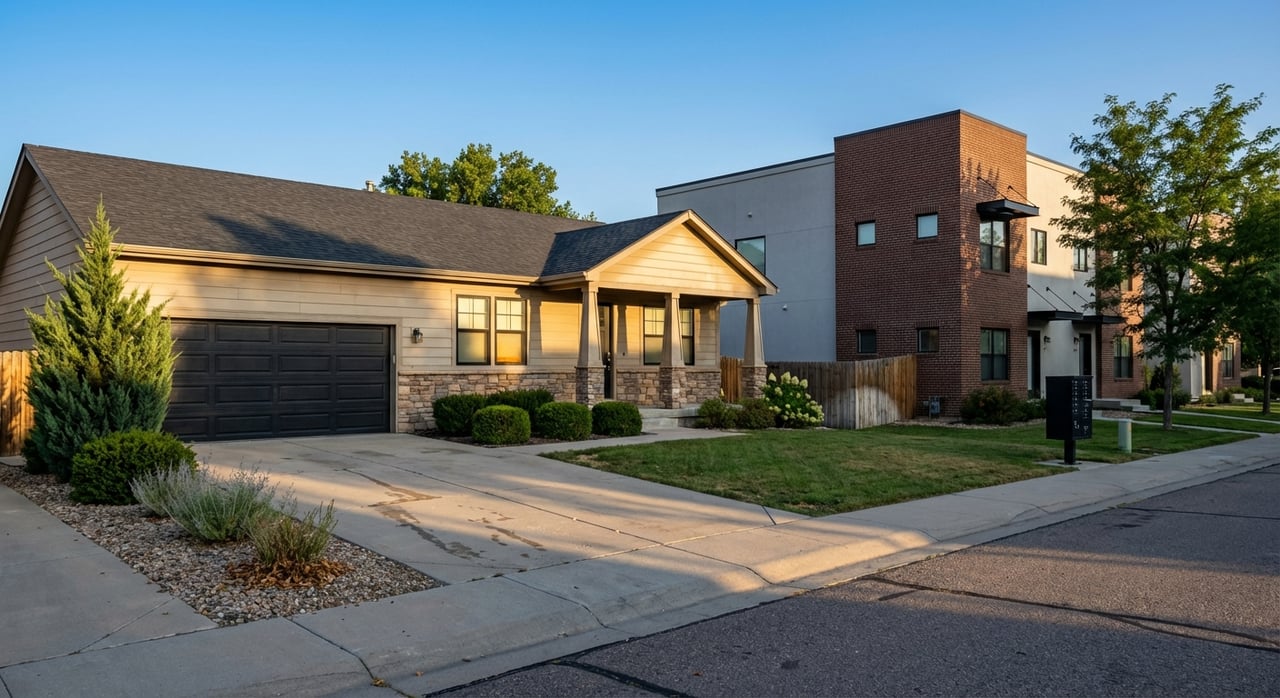
Trying to decide between Star and Eagle for your next move? You are not alone. Both offer a small-town feel close to Boise, but the day-to-day experience can be very different. In this guide, you will compare prices, homes and lots, commutes, schools, and lifestyle so you can choose the town that fits your goals. Let’s dive in.
Star vs. Eagle at a glance
If you want a quick sense of scale, Eagle is the larger community. Recent estimates put Eagle around 33,451 people and Star around 18,208. You will also see differences in median household income, with Eagle around $122,894 and Star around $91,318, which helps explain local price points and retail mix. Commutes are similar, with Eagle averaging 23.7 minutes and Star 25.9 minutes, which tracks with both being commuter suburbs near Boise. These figures come from U.S. Census QuickFacts for each city (Star QuickFacts; Eagle QuickFacts).
On prices, market snapshots from major trackers show the same pattern: Eagle’s median values trend higher than Star’s. For example, Redfin’s January 2026 data shows median sale prices near $770,000 in Eagle versus about $625,000 in Star. Zillow’s December 2025 home-value index also shows Eagle above Star. Treat these as directional ranges and check current listings before you decide.
Housing and lot types
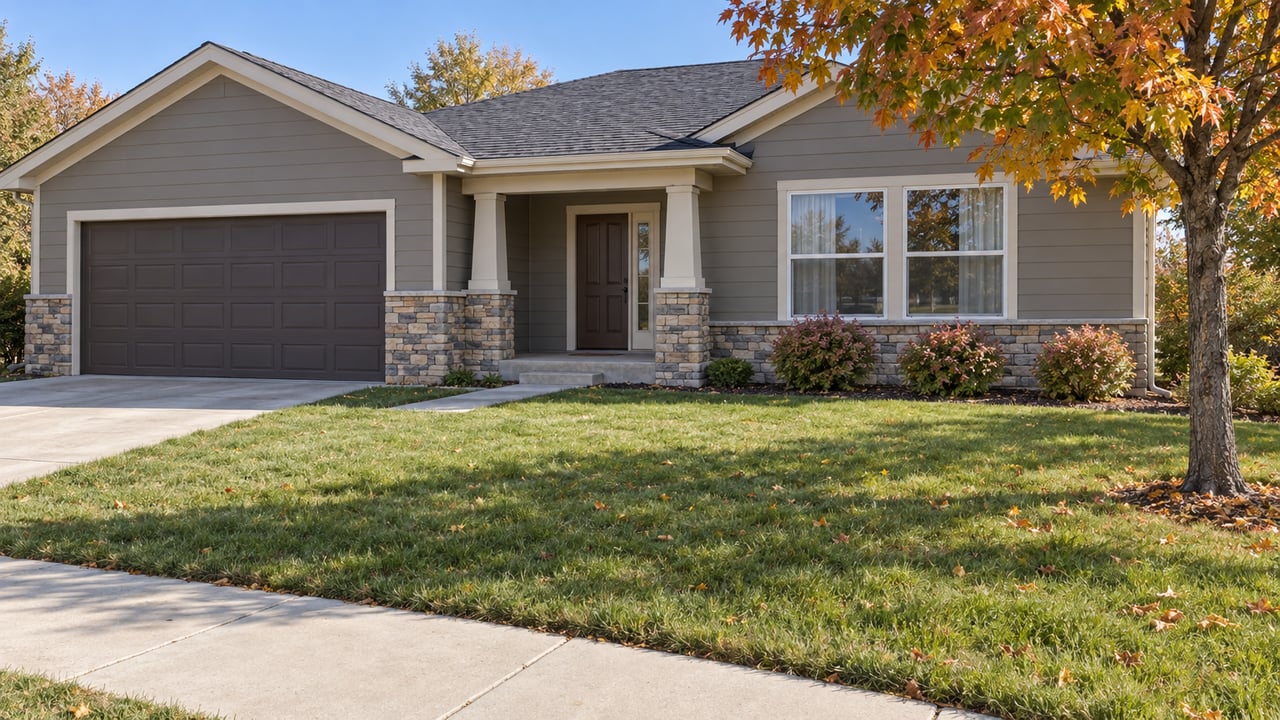
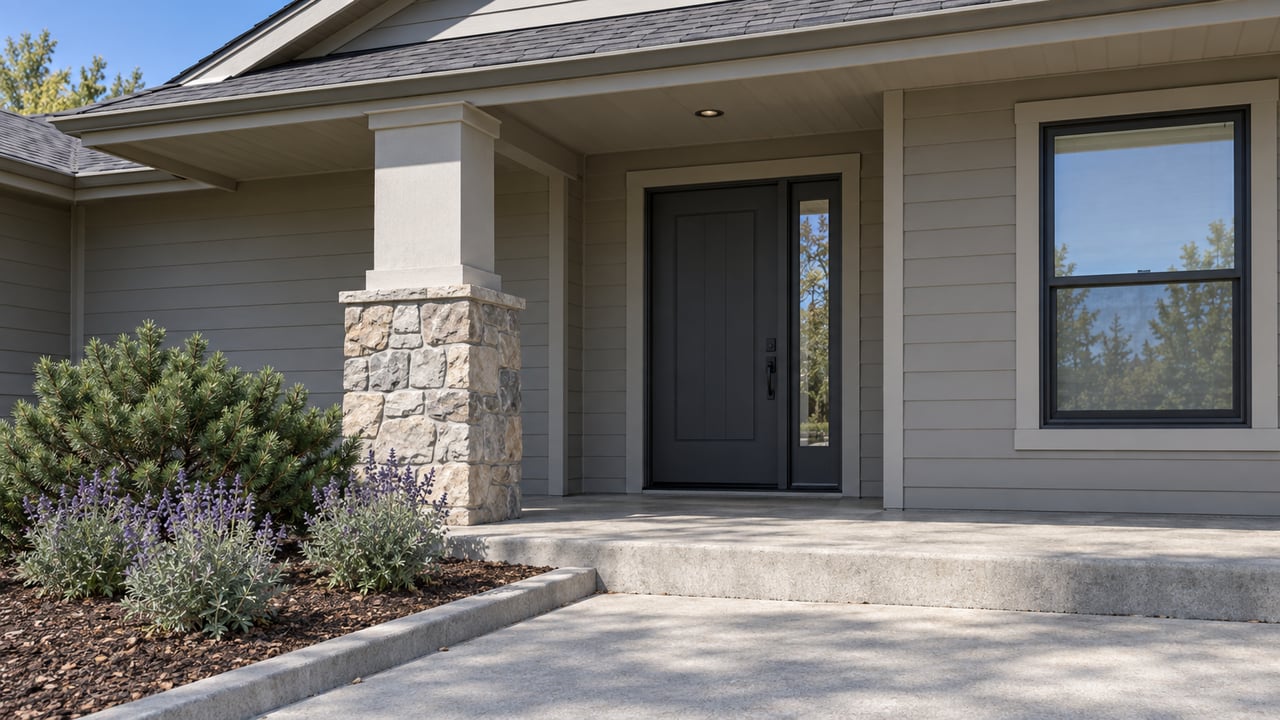
Eagle homes and neighborhoods
In Eagle, you will find many established single-family neighborhoods and custom homes. Large-lot developments and golf or river-oriented communities are common. Mature trees, planned amenities, and a polished small-town core give Eagle a refined feel backed by strong park and river access. The Eagle Chamber also highlights the city’s outdoor and community assets, which support this profile of an established small city with a walkable center and boutique businesses (Eagle Chamber fast facts).
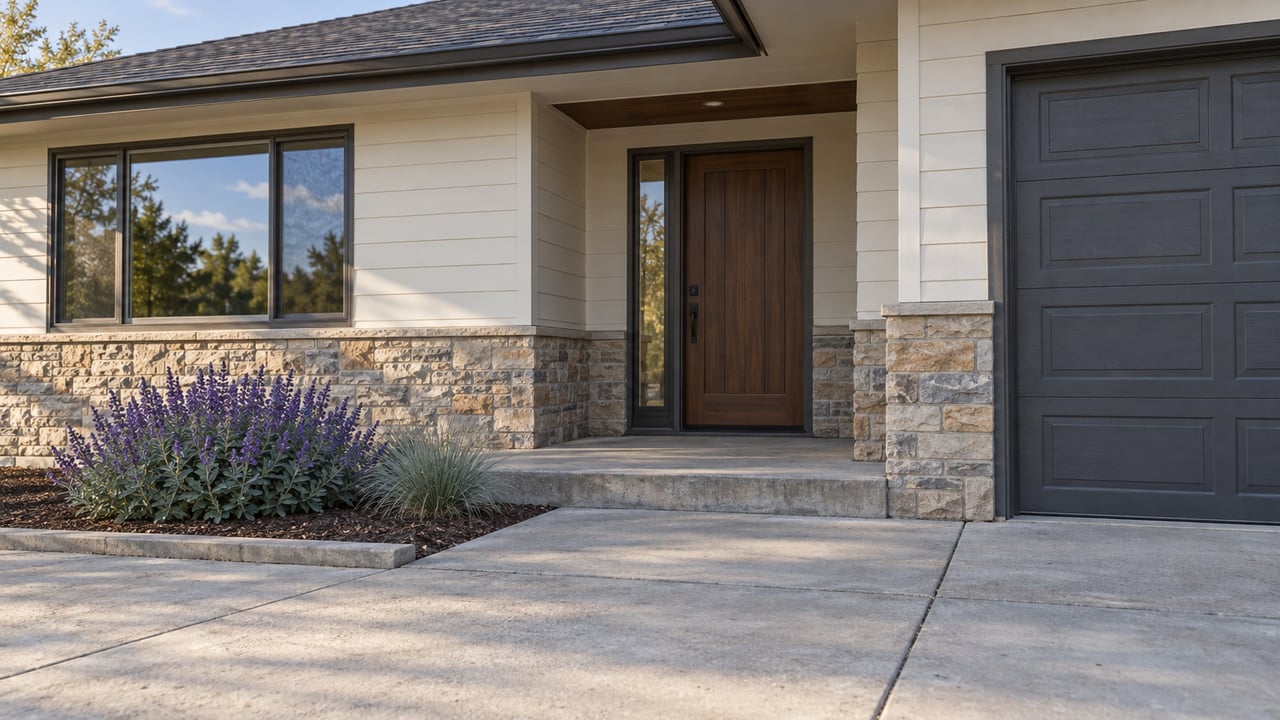
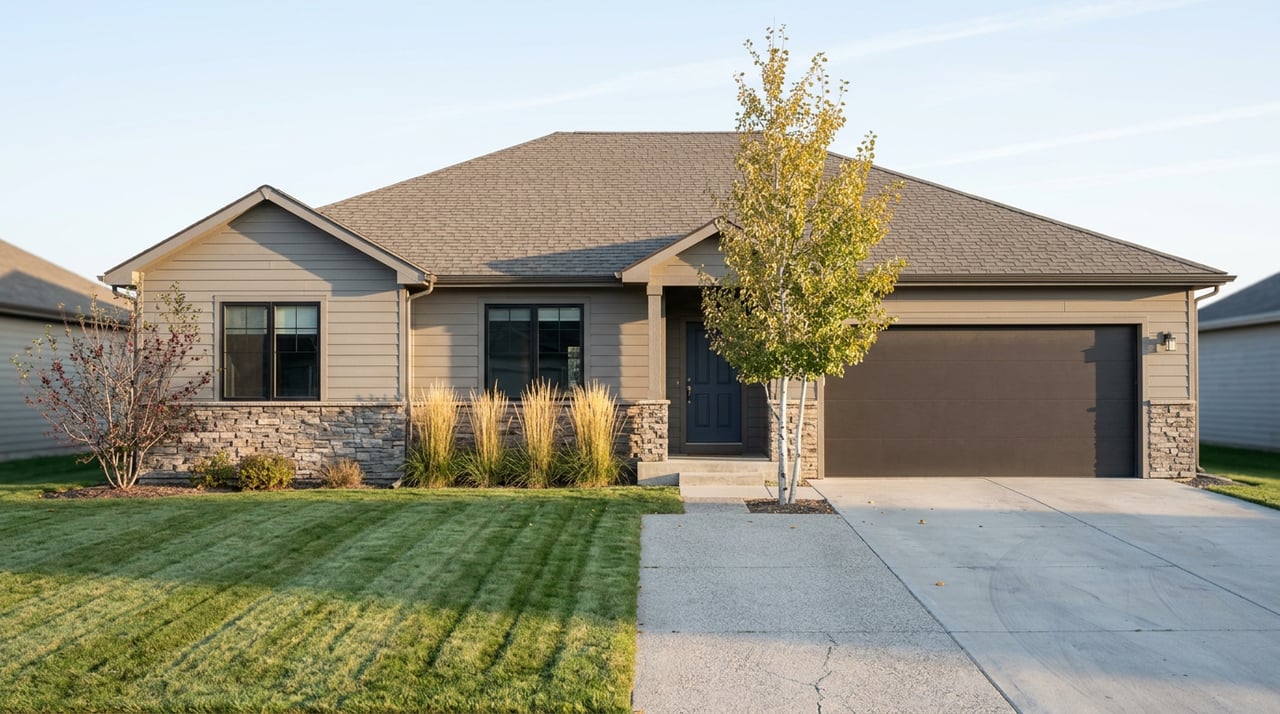
Star homes and growth
Star balances older farm and ranch properties with a wave of new subdivisions. You can shop compact patio homes on smaller lots, standard suburban lots, and larger rural or equestrian parcels. Growth is reshaping choices for buyers. A proposed 726-acre project called Willowbrook includes an 18-hole golf course and a mix of lots from about 3,600 square feet up to one acre, signaling a broad range of future new-construction options (Willowbrook proposal overview).
Price, inventory, and timing
Both towns can be competitive, but behavior varies by price band. Eagle’s higher price points tend to see longer days on market at times, while Star often has more new-construction supply and broader entry points. Recent trackers show Star experiencing solid year-over-year gains, with Eagle remaining the higher-cost market. Because prices and inventory shift month to month, use current MLS data and recent comps when you are ready to write an offer.
Lots, zoning, and horse-friendly options
Eagle rules at a glance
If you want horses or larger outbuildings, zoning will matter. In Eagle, equestrian uses are allowed on larger parcels in specific subdistricts, such as RR and ER, and the city code sets minimum lot sizes for accessory dwelling units tied to the parcel area. Always verify the exact zoning, permitted uses, and any ADU thresholds for a given address using the city’s code (Eagle municipal code: planning and zoning).
Star’s range of parcels and utilities
Star’s mix of suburban subdivisions and rural parcels creates very different ownership experiences. Smaller-lot new communities offer lower maintenance, while larger sites can support hobby-farm goals. Utility access also varies more in and around Star. Some rural or large-lot settings may rely on wells or septic, while new subdivisions are built with planned sewer and water infrastructure. The Willowbrook coverage notes lift-station planning and a range of lot sizes, which is a good reminder to confirm utility connections for any parcel you are considering (Willowbrook proposal overview).
Commutes and getting around
Eagle’s main corridor is Eagle Road, which connects to I-84 and offers a direct route into the metro network (Eagle economic development: transportation). Star centers on State Highway 44 for east–west travel and uses Highway 16 to reach other routes. Peak-hour congestion on State Street can add time, so plan accordingly. For most residents, daily commutes are by car. Valley Regional Transit runs regional programs and on-demand services for certain trip types, but fixed-route options are limited in these smaller cities (Valley Regional Transit services). For day-to-day driving expectations, the Census commute times are a helpful baseline (Star QuickFacts; Eagle QuickFacts).
Schools and boundaries
School boundaries are a practical detail you should confirm before you buy. Most of Eagle is served by the West Ada School District. Star spans West Ada and parts of the Middleton School District, so different addresses can map to different schools. The City of Star links to both districts’ resources, which is a good starting point for boundary lookups and contacts (City of Star: school districts).
The West Ada District continues to manage region-wide growth with facility planning. Coverage of a plant facilities levy outlines capacity needs across its 58 schools, which is relevant for families tracking future classroom space, boundary updates, and new facility timelines (Idaho Education News: West Ada levy overview). Because boundaries and capacities change, confirm the latest maps and enrollment details directly with the district.
Lifestyle and amenities
Eagle’s vibe and amenities
Eagle is known for access to the Boise River greenbelt, Eagle Island State Park, golf opportunities, and a boutique downtown with local dining and services. The city’s parks and trail connections support an active, outdoor-forward lifestyle that many residents prioritize. If you want a tree-lined, established small-town center with quick access to river recreation, Eagle delivers (Eagle Chamber fast facts).
Star’s community feel
Star blends small-town heritage with growth. You will find riverfront parks, community events, and local businesses alongside new subdivisions and suburban conveniences. River Birch Golf Course and neighborhood parks create close-to-home recreation, while nearby farmland and larger-lot areas keep a rural thread in the town’s identity. Buyers who want newer homes and a range of lot sizes often place Star high on the list.
Who each town fits best
Every buyer is different, but these quick profiles can help you narrow your search:
- You want established estates, larger custom homes, tree-lined streets, and higher-end amenities: focus on Eagle. Median household income and median values trend higher here, and you will see more large-lot, planned communities. Use current comps in your target neighborhoods to fine-tune your budget (Eagle QuickFacts).
- You want newer construction, a wider range of price points, and the option to choose between smaller maintenance-friendly lots and rural parcels: focus on Star. The town’s growth pipeline, including proposals like Willowbrook, points to continued new-home choices and a diverse resale pool over time (Willowbrook proposal overview).
- You want equestrian or hobby-farm potential on 1–2+ acres: explore both towns, but verify zoning, utility access, and any HOA rules for each parcel. In Eagle, review RR and ER subdistrict rules and ADU thresholds in the municipal code. In Star, confirm water and sewer connections or well/septic status, especially on rural lots (Eagle municipal code: planning and zoning).
Your next steps: a simple checklist
Use this quick list to move from research to a confident decision:
- Confirm today’s prices and inventory for your budget band using current MLS data and recent comps. Treat online trackers as directional.
- Pin down school boundaries for your exact address and call the district to confirm capacity or pending changes (City of Star: school districts).
- Review HOA rules, CC&Rs, and local code if you want an ADU, shop, or horses. In Eagle, check RR/ER subdistricts and ADU lot thresholds (Eagle municipal code: planning and zoning).
- Verify utilities and services for larger lots. Ask about sewer, water, well/septic, and any planned lift stations in new communities. The Willowbrook coverage offers a useful example of infrastructure planning (Willowbrook proposal overview).
- Check floodplain maps for river-adjacent parcels and ask about insurance requirements.
- Test-drive your commute at peak times. Use Eagle Road to I-84 from Eagle and State Street/Highway 44 from Star, and consider regional transit options for special trip types (Valley Regional Transit services).
Ready to compare neighborhoods, tour homes, and make a plan? You deserve a calm, organized process with local insight at every step. Reach out to Connie Boyce for concierge-level guidance across Meridian, Boise, Eagle, and Star.
FAQs
What are the biggest differences between Star and Eagle for homebuyers?
- Eagle has higher median household income and generally higher median home values, while Star offers more new construction and a wider range of lot sizes, including rural options.
How do commutes compare between Star and Eagle?
- Census data shows average commutes around 23.7 minutes in Eagle and 25.9 minutes in Star, with most residents driving to work.
Where should I look if I want a large lot or horses?
- Check both towns, but verify zoning and lot-size rules. In Eagle, equestrian uses are in specific subdistricts with minimum lot sizes; in Star, confirm rural parcel utilities and any HOA limits.
How do school boundaries work in Star and Eagle?
- Most of Eagle is in West Ada, while Star maps to West Ada or Middleton depending on the address, so confirm boundaries and capacity with the district before you buy.
What new development could impact Star’s housing choices?
- The proposed Willowbrook project in Star plans a wide mix of lot sizes and a golf course, which could expand new-construction options over time.