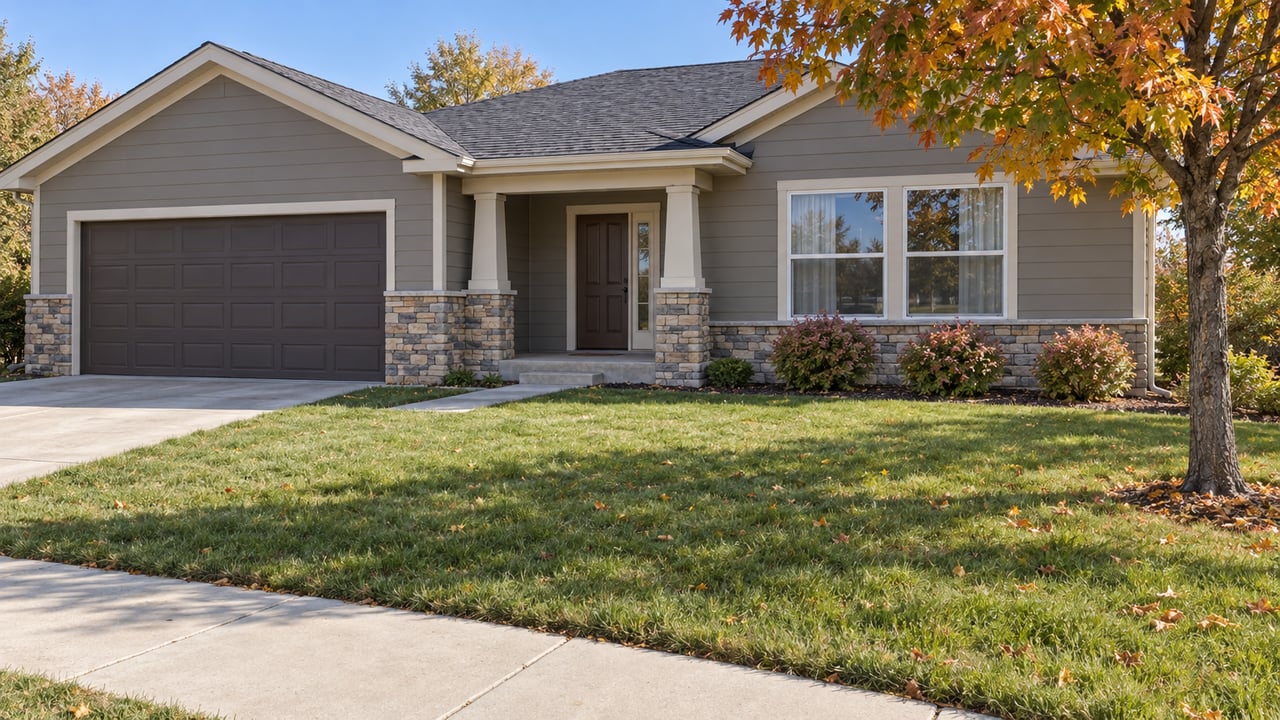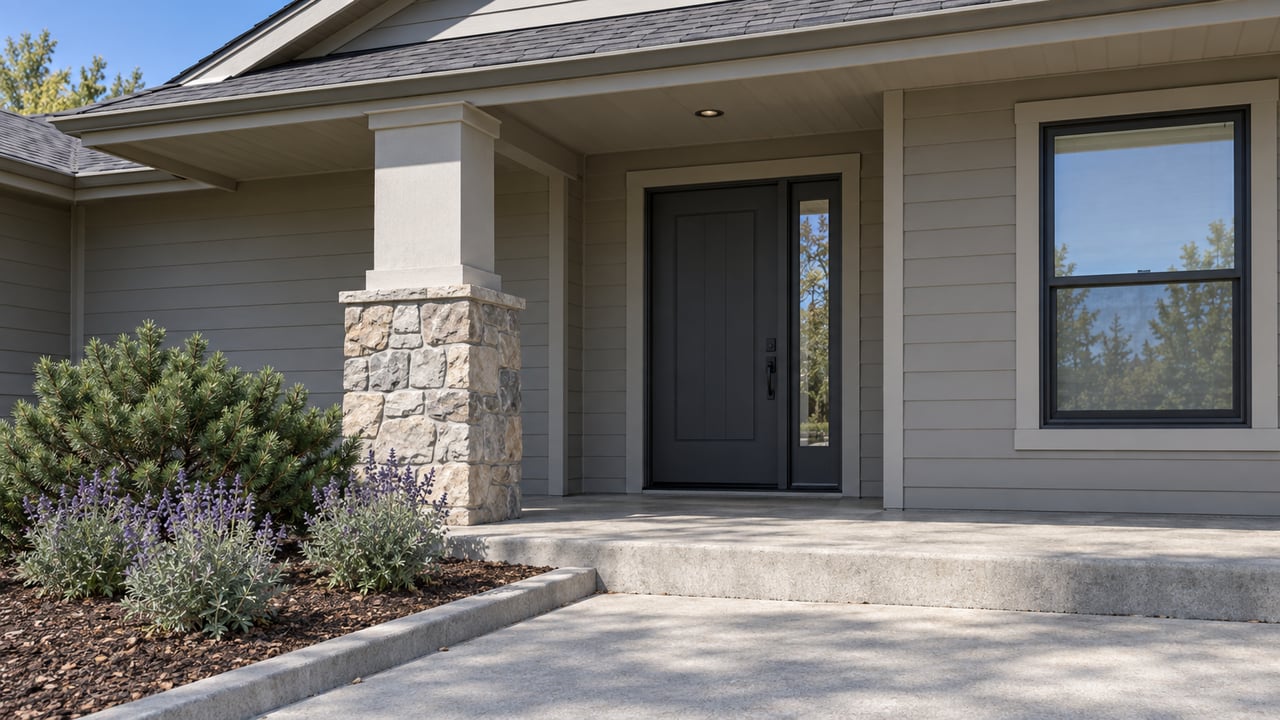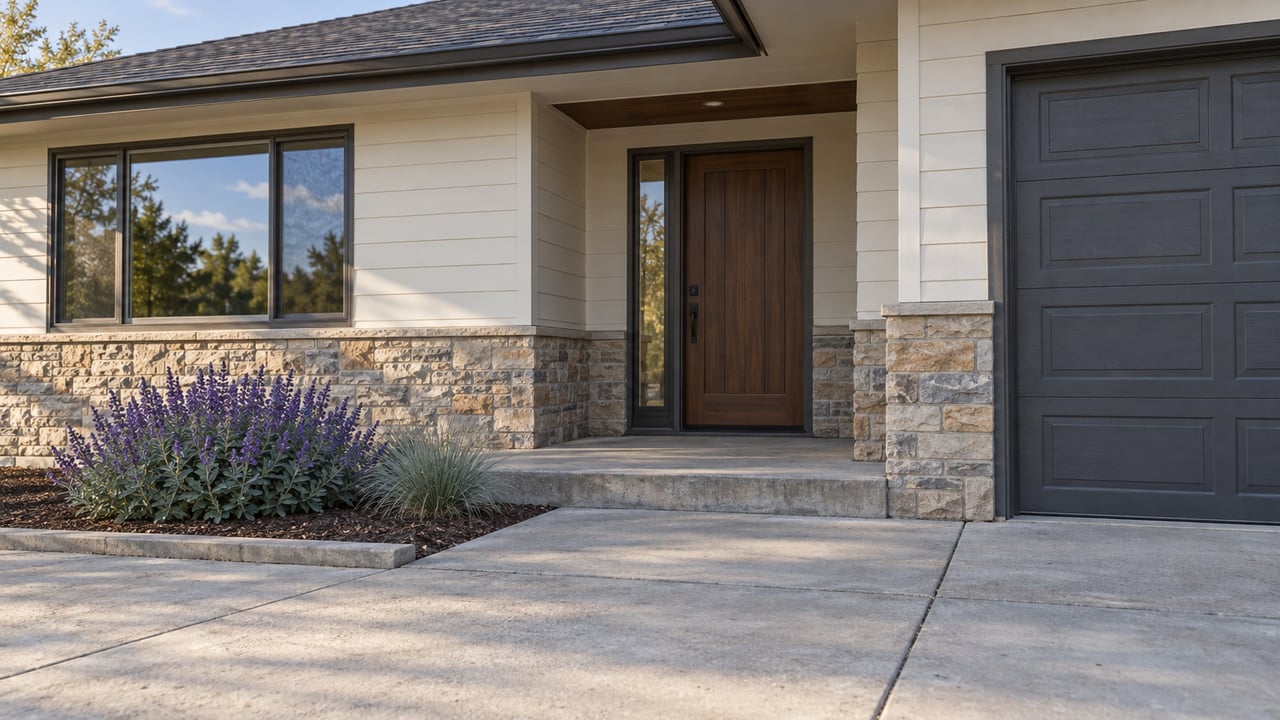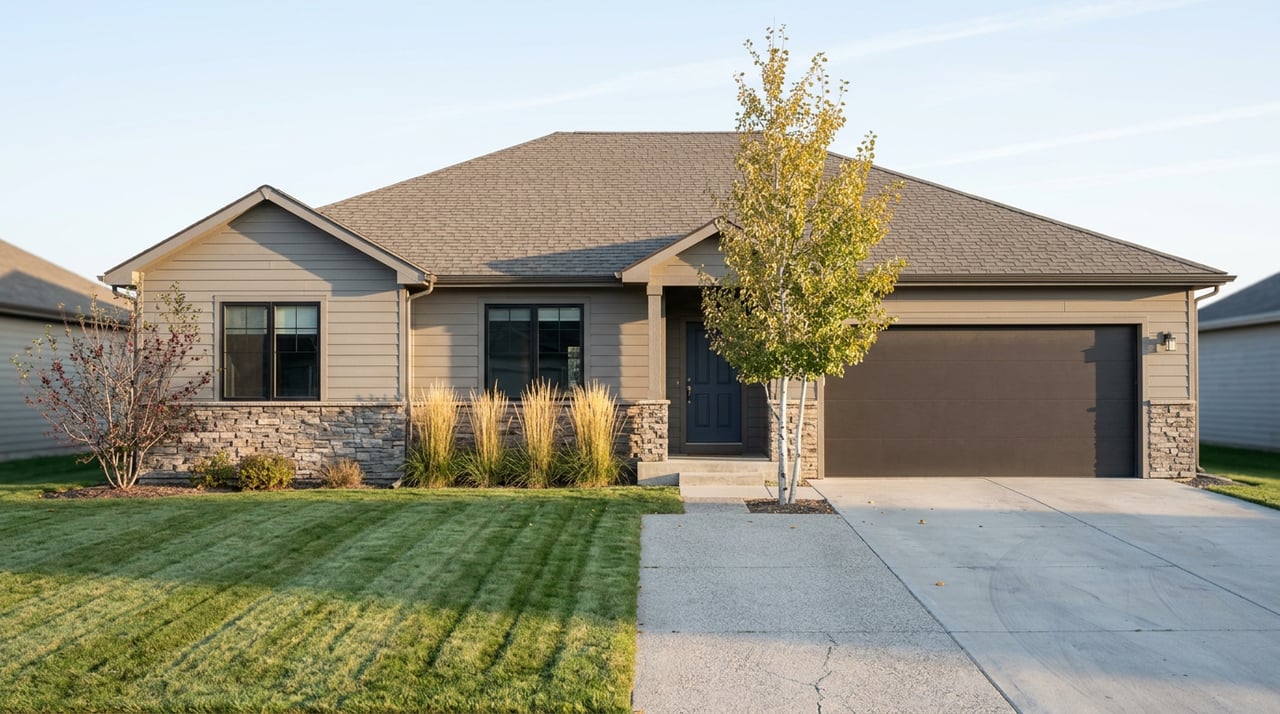
Should you buy in an HOA or skip it in Eagle? If you are weighing RV space, a future detached shop, or access to river trails, the choice can feel complicated. You want clarity on costs, rules, and how each option fits your lifestyle. In this guide, you will learn how HOAs work in Eagle, what no HOA really means, and the due diligence steps that protect your plans and your budget. Let’s dive in.
HOA basics in Eagle
Homeowners associations in Eagle enforce recorded covenants, conditions and restrictions, often called CC&Rs. They collect dues to maintain common areas and manage services. Each HOA is different. A master‑planned community with a pool and private trails operates differently than a small subdivision that only maintains a shared road or irrigation easement.
HOA dues typically cover landscaping of common areas, administrative costs, and insurance for shared spaces. Some HOAs use a professional management company, others are self‑managed by owners. When you evaluate dues, also look at reserves and special assessment history to understand long‑term costs.
What no HOA really means
A non‑HOA property offers more freedom and usually lower monthly costs. You will not have a board enforcing design rules or parking policies, and you will not pay dues for shared amenities. That said, city or county zoning, building permits, and setbacks still apply. If you want to add a shop, widen a driveway, or park an RV, you must satisfy local requirements even without an HOA.
In Eagle and unincorporated Ada County, many buyers seek larger lots and flexibility. Non‑HOA areas can be a fit if you value space and customization, as long as local code and permit rules allow your plans.
RV bays and shops: key questions
For many Eagle buyers, RV parking and a detached workshop are top priorities. Your success depends on two layers of rules: the HOA’s CC&Rs and local zoning and permits. Both must allow the use.
- RVs and boats: Some HOAs limit driveway parking or overnight RV storage. Others require screened storage or restrict street parking. Confirm location, visibility, and time limits.
- Detached shops and garages: CC&Rs may cap height and size, control look and materials, or require that a shop matches the main home. Understand setbacks and lot coverage rules.
- Architectural approval: Expect a submittal process with timelines and possible fees. Ask about variances and what has been approved before in the community.
If you find an HOA home that looks shop‑friendly, read the recorded CC&Rs. Visual cues can be misleading if rules prohibit your plan.
Amenities vs. dues
Eagle offers communities with amenities such as pools, parks, paths, and occasional private river or trail access. These features raise dues but can create a ready‑made lifestyle. Smaller HOAs that maintain only an entry, shared road, or irrigation lines often have lower dues.
Without an HOA, you will not pay for shared amenities. You will rely on public parks and regional trails, or you can invest in your own backyard features. The right choice comes down to how much you value convenience versus monthly savings.
Aesthetics and neighborhood feel
Many HOAs prioritize consistent design and upkeep. That can support a uniform look and predictable maintenance of shared spaces. Some buyers view this as a plus for peace of mind and curb appeal.
No HOA can mean a wider range of home styles and yard uses. You gain more freedom to customize, balanced by the responsibility to manage your own property standards. Street‑by‑street appearance can vary more in non‑HOA areas.
Resale considerations
A well‑run HOA with solid reserves and clear maintenance standards can help preserve neighborhood presentation. On the other hand, high dues or strict limits on RVs, shops, or rentals can reduce your future buyer pool.
Non‑HOA homes may appeal to buyers who want flexibility and lower ongoing costs. Resale performance depends on location, overall upkeep, and how well the property matches local buyer preferences in Eagle.
How to read CC&Rs
CC&Rs are recorded at the county level and bind the property, not just the current owner. Focus on sections that affect daily life and future plans.
- Architectural review: What needs approval, how long approvals take, and whether fees apply. Look for rules on exterior colors, fencing, and accessory buildings.
- Vehicles and storage: Specific language on RVs, boats, street parking, and screened storage requirements.
- Accessory buildings: Size and height limits, setbacks, materials, and whether a shop can include finished space.
- Leasing rules: Rental caps, minimum lease terms, and whether short‑term rentals are allowed.
- Maintenance standards: Landscaping, fence upkeep, weed control, and potential fines.
- Assessments and collections: Dues, special assessments, late fees, liens, and enforcement powers.
- Amendment process: How rules can change and what owner vote is required.
When in doubt, read the exact recorded text rather than relying on summaries. Ask for examples of prior approvals or denials to set expectations.
Financial health: what to verify
Financial quality matters as much as rules. Strong reserves and clear budgets help prevent surprises.
- Dues and fee history: Know current dues and how often they have changed. Identify any special assessments in the past five to ten years.
- Reserve study: Confirm whether a recent reserve study exists and how well reserves are funded for big projects.
- Delinquencies: High past‑due balances can signal pressure on future dues. Ask about collection policies.
- Management: Understand if the HOA is self‑managed or professionally managed, and request the management contract if one exists.
Local permits and zoning checks
Whether you buy in an HOA or not, confirm local requirements before you plan projects.
- Zoning and allowable uses: Verify your property’s zoning with the City of Eagle or Ada County for unincorporated parcels, including accessory structures and home occupations.
- Setbacks and lot coverage: Know the dimensions that limit shop size, height, and placement.
- Building permits: Confirm permits required for shops, large RV pads, and major exterior changes.
- Boise River corridor: If you are near the river, check floodplain and corridor regulations.
Due diligence checklist
Before you remove contingencies, request documents and ask pointed questions. This protects your budget and your plans.
Documents to obtain:
- Full CC&Rs, Bylaws, Articles of Incorporation, and Rules and Regulations
- Current budget and most recent financial statements
- Most recent reserve study, or a statement if none exists
- HOA meeting minutes for the last 12 to 24 months
- List of current dues and any special assessments, plus special assessment history
- Insurance declarations for common areas
- Management structure and contact information
Questions to ask the HOA or listing agent:
- Are RVs or boats allowed on the lot or street, and under what conditions?
- Are detached shops or garages permitted, and what size, materials, and appearance are required?
- What is the process, fee, and timeline for architectural approvals? Are variances possible?
- What are current dues, how often have they changed, and have there been special assessments in the past five to ten years?
- What is the reserve fund status and date of the last reserve study?
- Are short‑term rentals allowed? Are there rental caps or minimum lease terms?
- Are there any known covenant violations, enforcement actions, or pending lawsuits?
- What insurance does the HOA carry, and what must I insure personally?
Negotiation tips for buyers
- Ask for the HOA document packet early. Do not rely on summaries, read the recorded documents.
- Use your inspection window to confirm permits and approvals for any existing shops or exterior changes.
- If a desired use is prohibited, ask about amendment history and how rule changes are approved. Documented votes matter.
- If there are unresolved HOA issues, consider seller credits or escrow holdbacks so items are addressed before closing.
Which option fits you
- You want flexibility for an RV, a boat, or a large workshop: Non‑HOA or communities with permissive CC&Rs and larger lots may fit best. Verify zoning and permits.
- You prefer low‑maintenance living with shared amenities and consistent presentation: An HOA with strong maintenance and funded reserves can be attractive.
- You plan to rent the home: Review leasing rules carefully since many HOAs set minimum lease terms or caps.
- You are focused on resale in the Boise‑area market: Match your choice to likely buyer demand for your neighborhood style, either amenitized HOA living or acreage and flexibility.
Your next step
The right decision in Eagle comes down to lifestyle, budget, and future plans. Start with your must‑haves, then test each property against the CC&Rs and local rules. With a clear checklist and a local advocate, you can move forward with confidence.
If you want personal guidance tailored to Eagle, Meridian, Boise, or Star, reach out to Connie Boyce. You will get concierge‑level support, local insight across HOAs and acreage, and a seamless experience from search to closing.
FAQs
What is an HOA in Eagle and how do dues work?
- An HOA is a governing body that enforces recorded CC&Rs and collects dues to fund common‑area maintenance, management, insurance, and reserves.
Can I park an RV at a home in an Eagle HOA?
- It depends on the CC&Rs, which may restrict driveway or street parking, require screened storage, or set time limits for RVs and boats.
Can I build a detached shop if there is an HOA?
- Many HOAs allow shops with size, setback, and appearance rules, and they often require prior architectural approval within stated timelines.
What rules apply if there is no HOA in Eagle?
- You will follow city or county zoning, setbacks, and permit requirements, and you will manage your own property maintenance without HOA oversight.
What documents should I review before buying in an HOA?
- Obtain CC&Rs, Bylaws, Rules, budgets, financials, reserve study, meeting minutes, assessment history, insurance declarations, and management details.